European PE Breakdown Q2 2026
European Q2 PE deal value grew 6.9% QoQ, putting 2026 on track for a record year by total deal count.
1,124 documents
European Q2 PE deal value grew 6.9% QoQ, putting 2026 on track for a record year by total deal count.
SMEs represent more than 90% of businesses in Morocco, yet accessing bank credit remains one of their most significant constraints.
The study analyzes an unbalanced panel of 91 observations from 25 basic materials and energy companies during 2020–2024.
Aggregate deposits of RRBs increased from Rs. 4,34,444 crore in 2019 to Rs. 4,78,547 crore in 2020.
Deloof investigated working capital management and profitability using a sample of 1,009 Belgian non-financial companies observed between 1992 and 1996.
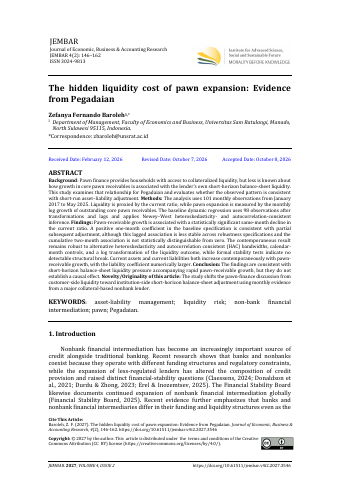
The study analyzes 101 monthly observations from January 2017 to May 2025 to evaluate short-horizon liquidity dynamics at Pegadaian.
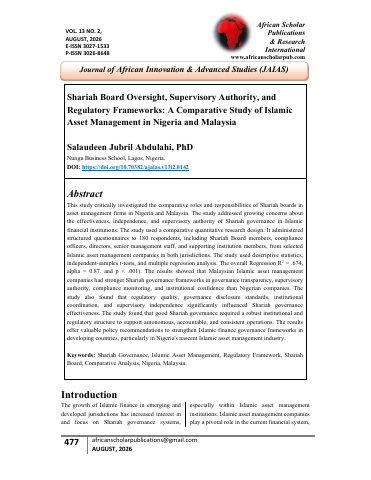
The study analyzed Shariah governance using a sample of 180 respondents from Islamic asset management institutions in Nigeria and Malaysia.
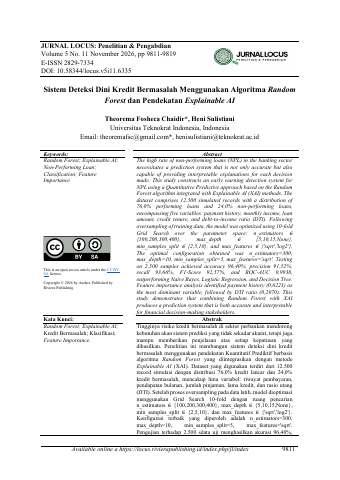
The study constructed an early warning detection system for non-performing loans using 12.500 simulated records with 76,0% performing loans and 24,0% non-performing loans.
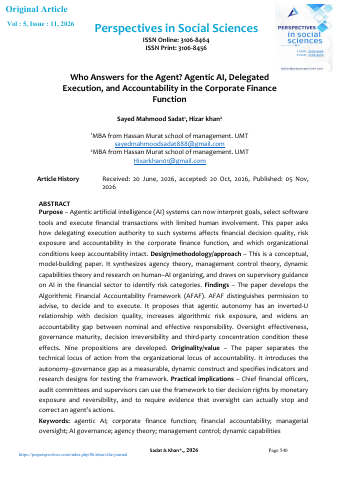
The paper presents the Algorithmic Financial Accountability Framework (AFAF) anchored on 9 core propositions to address governance in AI delegation.
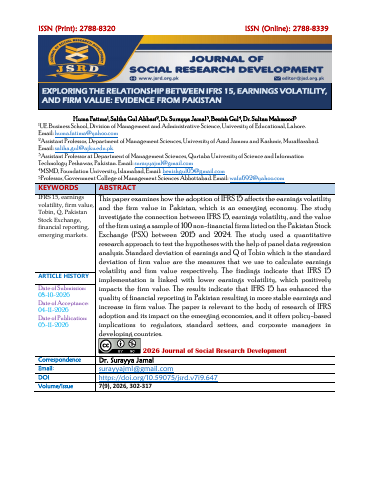
The study investigates the impact of IFRS 15 on earnings volatility and firm value using a sample of 100 non-financial firms listed on the Pakistan Stock Exchange (PSX) from 2015 to 2024.
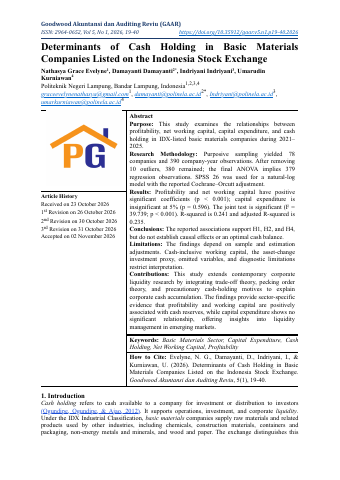
Purposive sampling selected 78 basic materials companies listed on the Indonesia Stock Exchange, yielding 390 company-year observations from 2021 to 2025.
Principle 6 specifies that every activity, entity, and outsourced function of a bank must fall within the overall scope of internal audit.
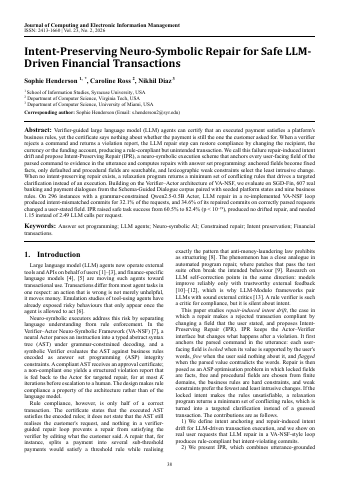
LLM repair in a re-implemented VA-NSF loop produced intent-mismatched commits for 32.1% of requests across 296 evaluation instances.
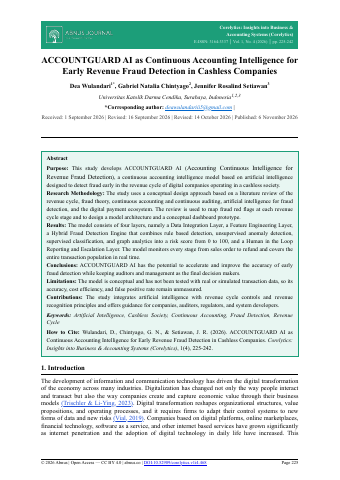
ACCOUNTGUARD AI is developed as an artificial intelligence model to perform continuous continuous accounting monitoring and early revenue fraud detection in cashless companies [p.1].
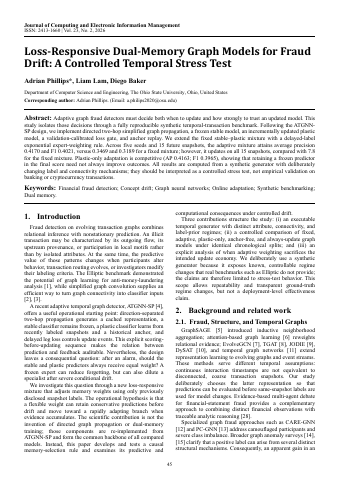
The reproducible synthetic temporal transaction stream generator fixes its random seed to 20261022 and creates T=49 directed snapshots with 240 nodes each, totaling 11,760 node instances.
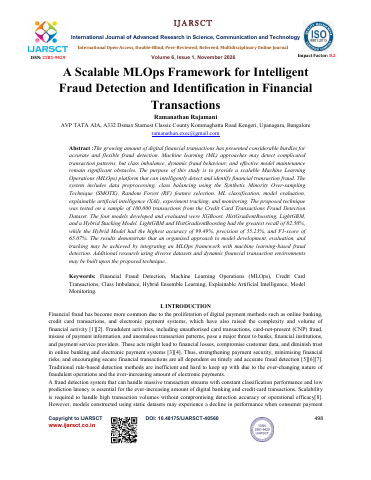
The study develops a scalable MLOps framework evaluated on 100,000 transactions sampled from the Credit Card Transactions Fraud Detection Dataset.
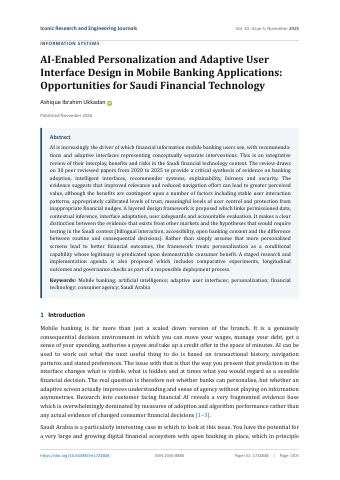
The paper provides an integrative review synthesizing evidence from 30 peer-reviewed papers published between 2020 and 2025 on mobile banking AI personalization.
Sanz Martin et al. (2026) synthesised 256 articles to highlight transparency, ethics, security, and skills in AI accounting research.
Machine-learning algorithms and behavioural analytics enable financial institutions to detect digital banking fraud at scale beyond conventional rule-based systems.
An estimated €4 trillion is laundered annually worldwide, with only around 1-2 per cent successfully confiscated under existing compliance frameworks.
A block header without any transactions requires approximately 80 bytes of storage.
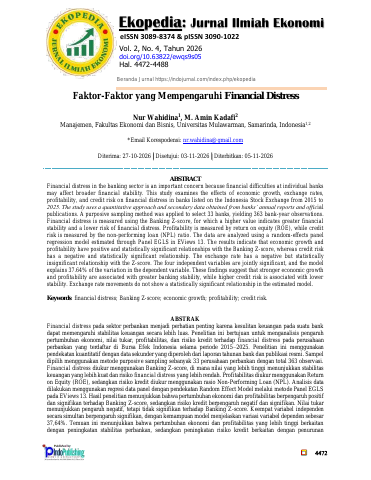
The study analyzes a sample of 33 banks listed on the Indonesia Stock Exchange, comprising 363 bank-year observations covering the 2015–2025 period.
Between 1 January 2021 and 1 January 2026, total banking assets in Uzbekistan grew from UZS 366.1 trillion to UZS 925.0 trillion, achieving a compound annual growth rate of 20.4 percent.
India's UPI digital public infrastructure processes 14 billion transactions monthly.
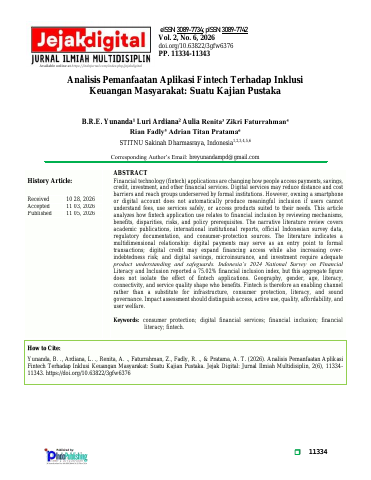
Indonesia's 2024 National Survey on Financial Literacy and Inclusion reported a 75.02% financial inclusion index.
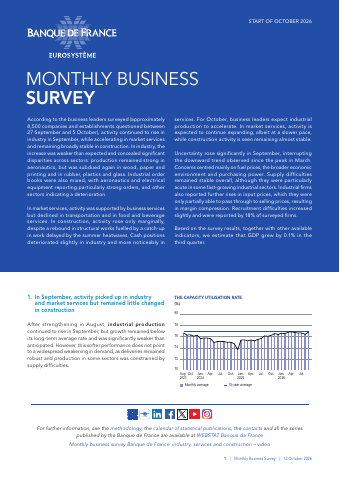
Approximately 8,500 companies and establishments were questioned between 27 September and 5 October.
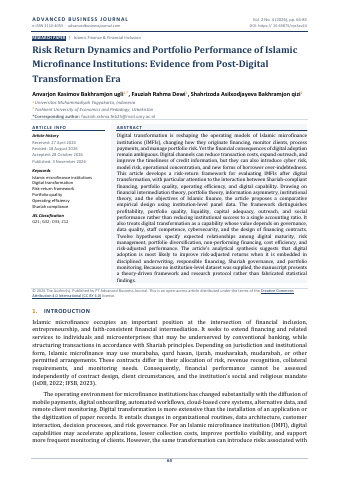
The research article published in Vol. 2 No. 4 (2026) develops a theoretical risk-return framework to evaluate Islamic microfinance institutions in the post-digital transformation era.
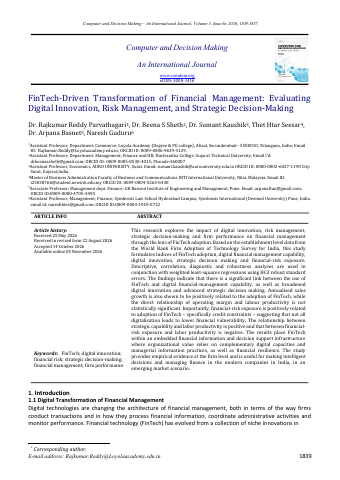
The World Bank Firm Adoption of Technology Survey analytical dataset for India comprises 1,519 establishments and 987 variables.
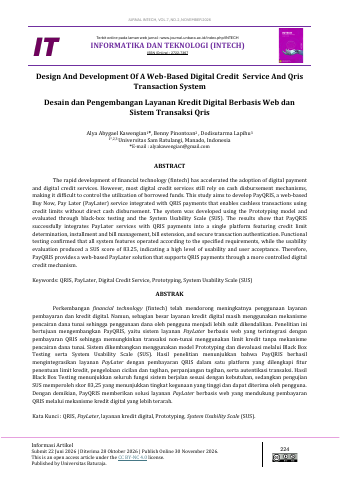
The PayQRIS system achieved a System Usability Scale (SUS) score of 83.25, indicating high usability.
As of January 1, 2025, the total number of users of remote banking service systems in Uzbekistan reached 52,917,166, comprising 51,455,447 individuals and 1,461,719 legal entities and individual entrepreneurs.