The Critical Role of Emerging and Developing Economies in the Clean Energy Transition (Zenodo)
SaveSummary
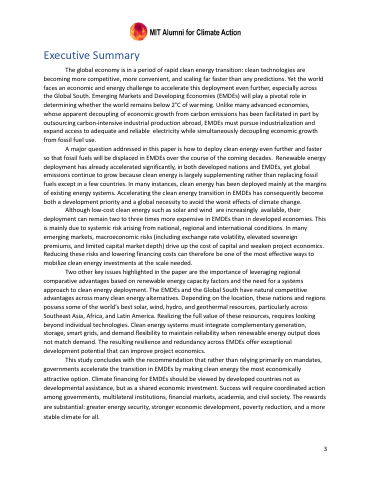
- Clean energy deployment is often two to three times more expensive in EMDEs than in developed countries due to high cost of capital and systemic risks.p.3
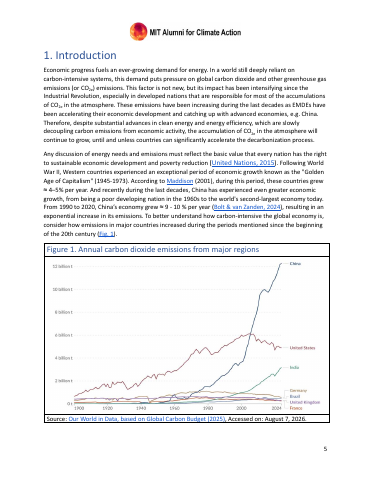
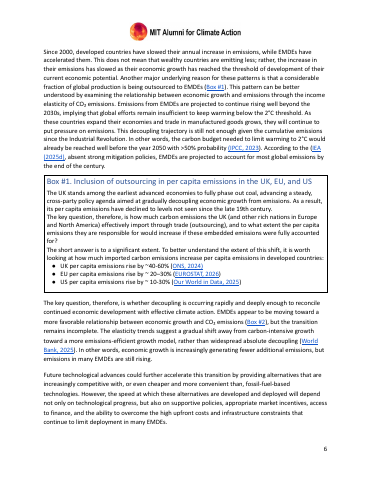
- Accounting for imported carbon via trade increases UK per capita emissions by ~40-60%, EU by ~ 20–30%, and US by ~ 10-30%.p.6
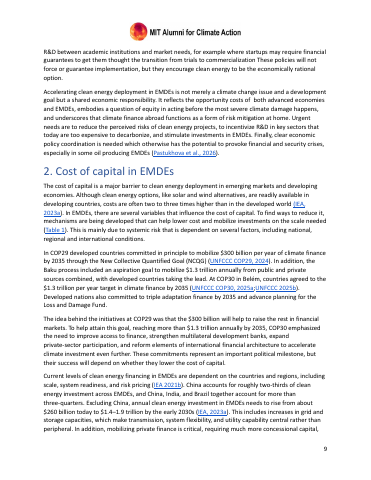
- At COP29, developed nations agreed in principle to mobilize $300 billion annually by 2035 under the NCQG, targeting a total of $1.3 trillion annually.p.9
- Foreign exchange risk mismatch adds roughly 300-600 basis points to the cost of capital in emerging markets compared to advanced economies.p.11
- Utility-scale solar projects face an average cost of capital of 10.6% in EMDEs, compared to 4% in the European Union.p.12
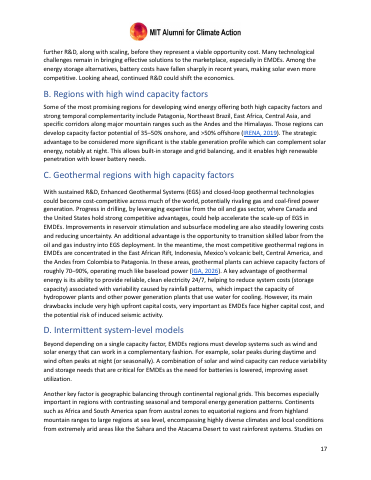
- Geothermal plants offer high capacity factors of roughly 70–90%, functioning as clean baseload power in key rift regions.p.17
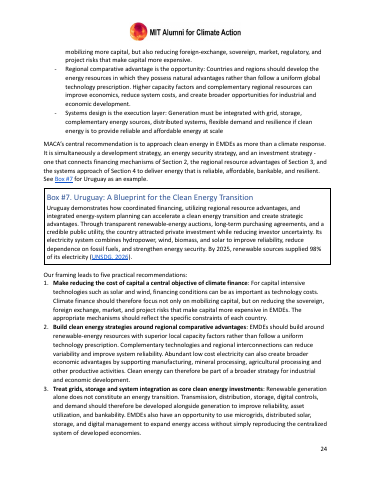
- By 2025, renewable sources successfully supplied 98% of Uruguay's electricity.p.24
Key insights
- Accelerating clean energy deployment in EMDEs is essential because supplementing fossil fuels at the margins is not stopping global emissions growth.p.3
- High macroeconomic risk premiums and shallow local capital markets severely limit long-term local-currency lending for clean energy in developing states.p.11
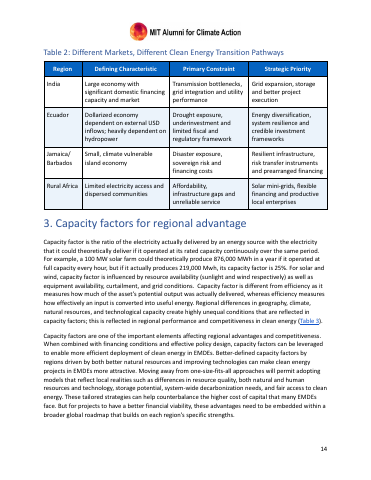
- Superior natural resource capacity factors in EMDEs can higher project outputs and help offset their higher costs of capital.p.14
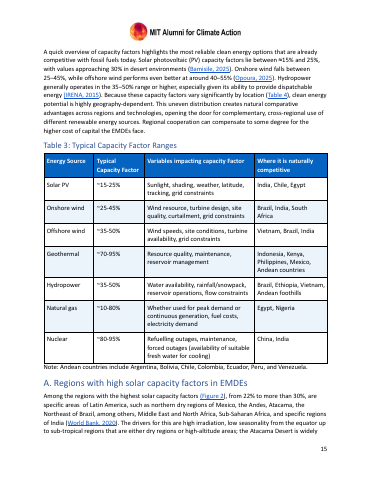
- Solar PV capacity factors can approach 30% in desert environments, while offshore wind reaches 40–55%.p.15
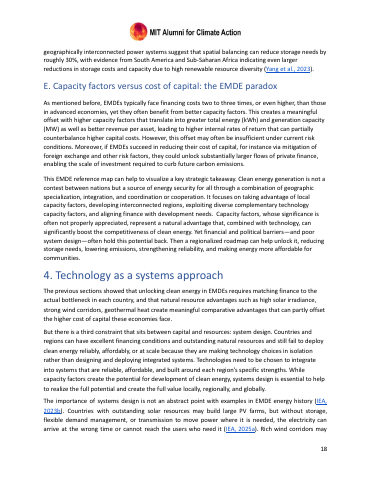
- Spatial balancing across geographically interconnected power systems can reduce energy storage needs by roughly 30%.p.18
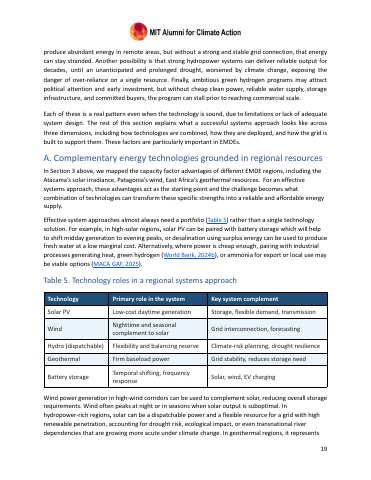
- Deploying clean energy without integrated systems design leaves projects vulnerable to grid curtailment, unbuilt transmission, and severe weather risks.p.18
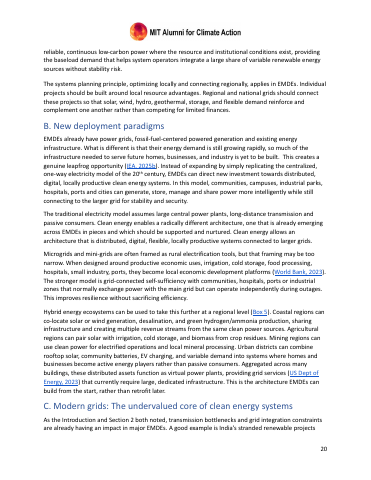
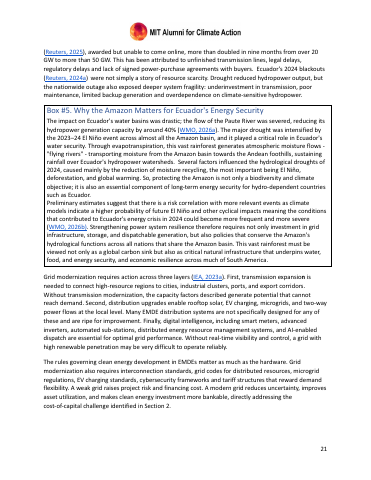
- Modernizing grids through transmission expansion and digital intelligence is as critical as adding generation capacity.p.21
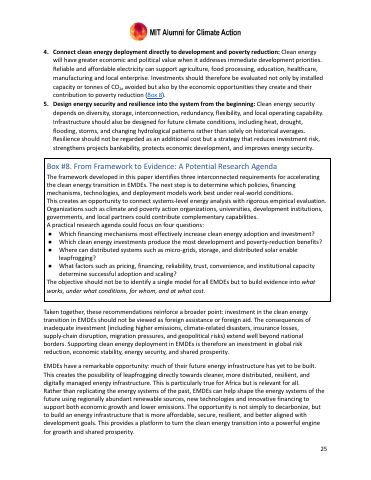
- Integrating climate resilience into clean energy system design reduces project risks, improves bankability, and protects economic growth.p.25
Pages
 p.1
 p.2
 p.3
 p.4
 p.5
 p.6
 p.7
 p.8
 p.9
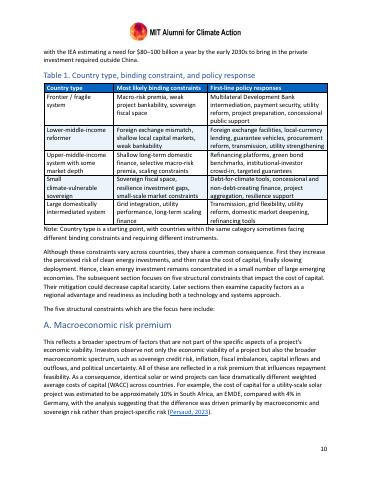 p.10
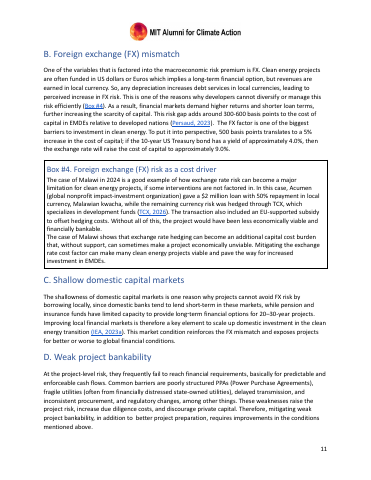 p.11
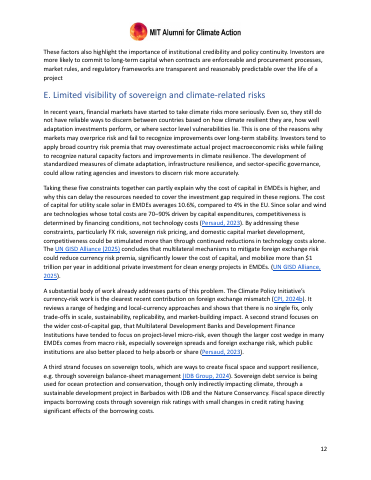 p.12
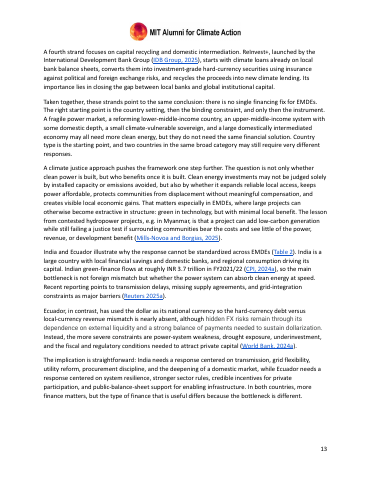 p.13
 p.14
 p.15
 p.16
 p.17
 p.18
 p.19
 p.20
 p.21
 p.22
 p.23
 p.24
 p.25
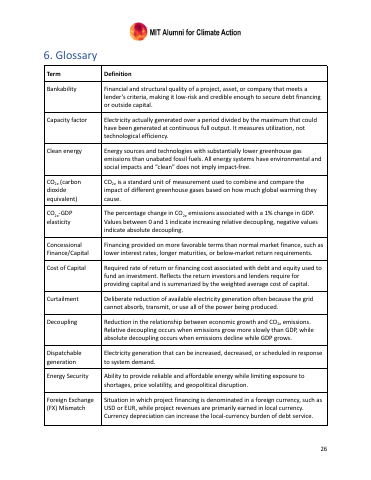 p.26
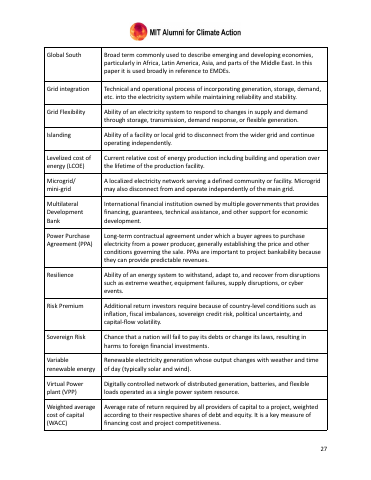 p.27
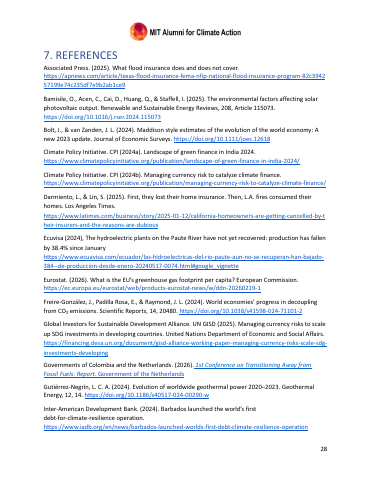 p.28
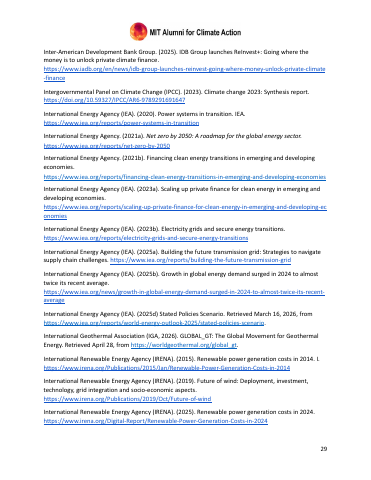 p.29
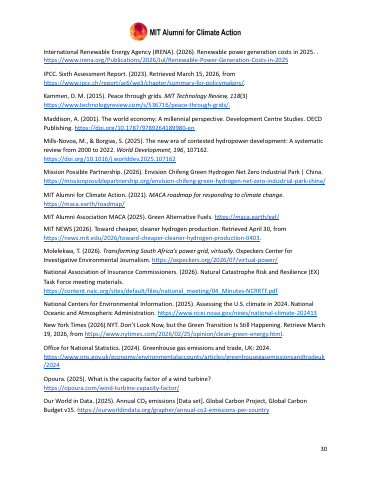 p.30
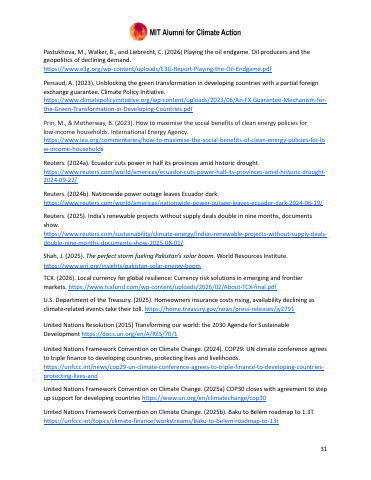 p.31
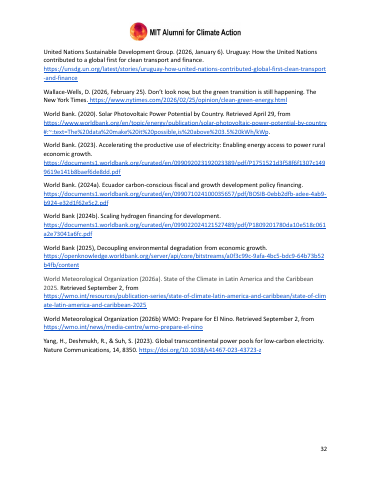 p.32
Funders mentioned
Topics and entities
Summary and figures generated from the document and checked automatically: every number shown appears on the cited page. Publishers can request removal.