Development of an Artificial Intelligence-Based Predictive Model for Project Management in SMEs (Estudios y Perspectivas Revista Científica y Académica)
Summary
- The study analyzed a public historical Kickstarter dataset comprising more than 300,000 projects to develop ex ante predictive models for crowdfunding success.p.3
- The preprocessed dataset was split into 80 % for training and 20 % for validation to evaluate supervised classification algorithms.p.8
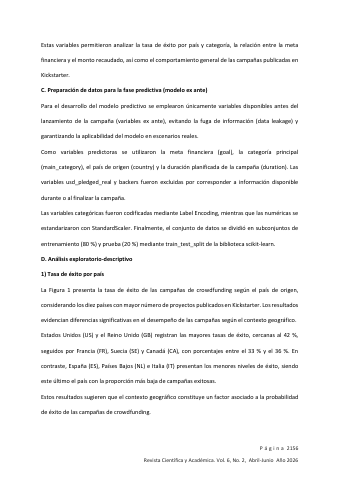
- Geographical analysis showed that campaigns based in the United States and the United Kingdom achieved the highest success rates, reaching close to 42 %.p.10
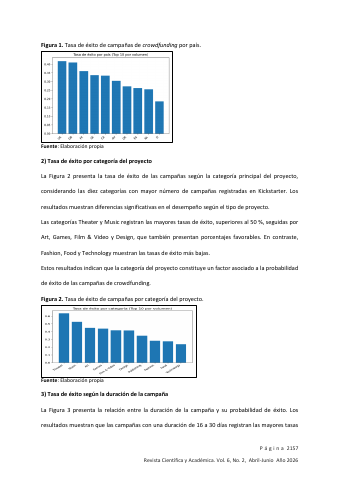
- Projects under the Theater and Music categories achieved the highest performance, with success rates superior to 50 %.p.11
- In baseline evaluations using post-launch data, the Random Forest model achieved an Accuracy of 0.9943 and an AUC of 0.9998.p.15
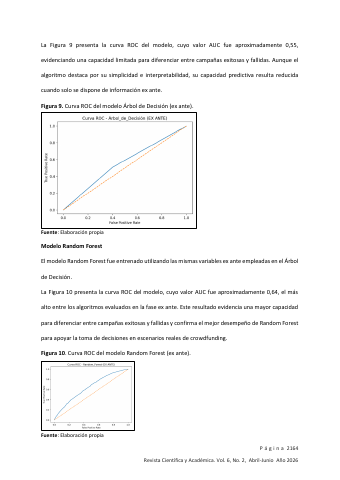
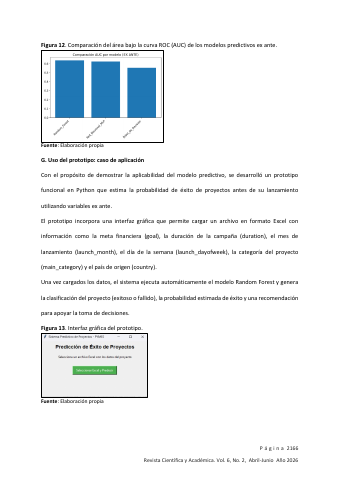
- In realistic ex ante predictive scenarios using only pre-launch variables, the Random Forest algorithm attained the highest AUC at approximately 0.64.p.18
Key insights
- The study built predictive machine learning models using historical data from more than 300,000 Kickstarter project campaigns.p.3
- Campaigns originating in the United States and the United Kingdom achieved success rates close to 42 %, outperforming countries such as Italy and Spain.p.10
- Theater and Music were the top-performing project categories, recording campaign success rates superior to 50 %.p.11
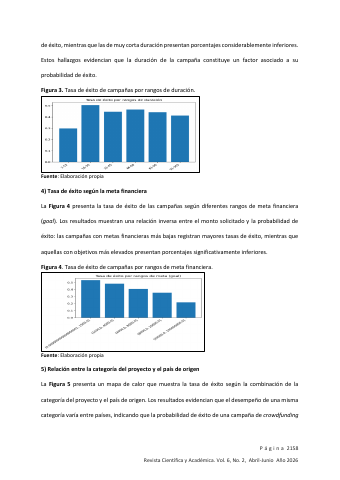
- Campaigns planned for a duration between 16 to 30 days demonstrated higher success rates than those of very short duration.p.11
- Ex ante evaluation using pre-launch parameters yielded an AUC of approximately 0.64 for Random Forest, outperforming Decision Trees at 0.55.p.18
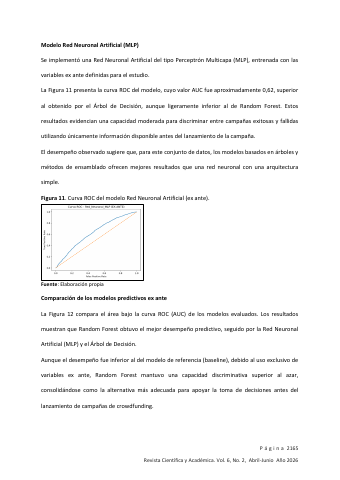
- An Artificial Neural Network (MLP) model reached an ex ante AUC of approximately 0.62, showing lower efficiency on tabular data than Random Forest.p.19
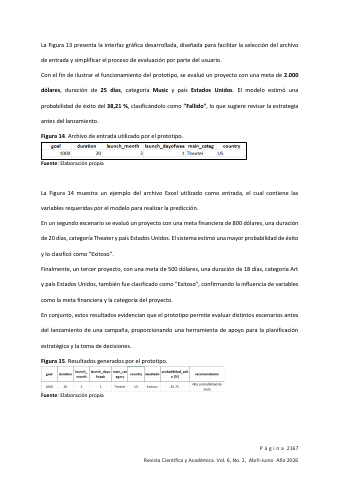
- Testing a sample project requesting $2,000 over 25 days in the US Music category resulted in an estimated success probability of 38.21 %.p.21
Pages
 p.1
 p.2
 p.3
 p.4
 p.5
 p.6
 p.7
 p.8
 p.9
 p.10
 p.11
 p.12
 p.13
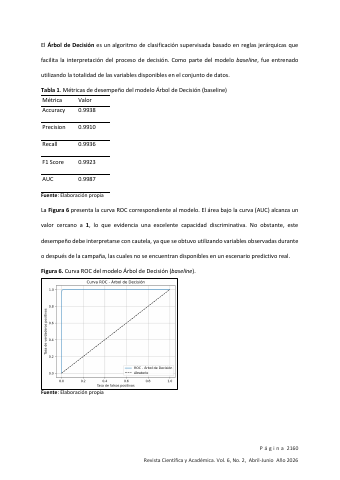 p.14
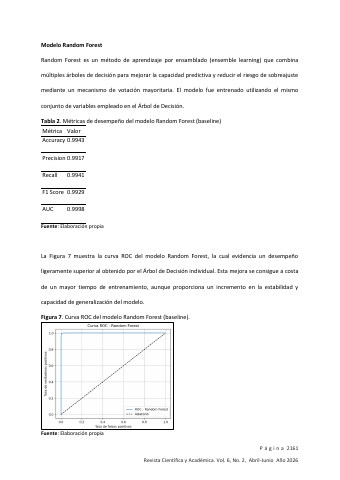 p.15
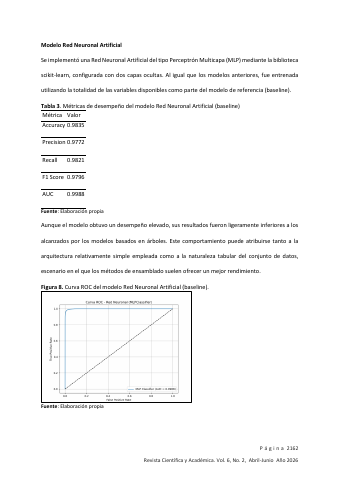 p.16
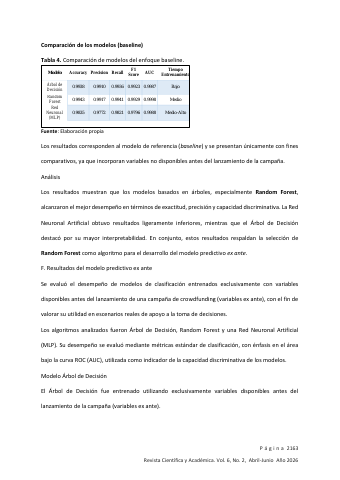 p.17
 p.18
 p.19
 p.20
 p.21
 p.22
 p.23
 p.24
 p.25
Topics and entities
Summary and figures generated from the document and checked automatically: every number shown appears on the cited page. Publishers can request removal.