The SAVI Capital Model in the Southern Cone: Origination Before Capital (Zenodo)
SaveSummary
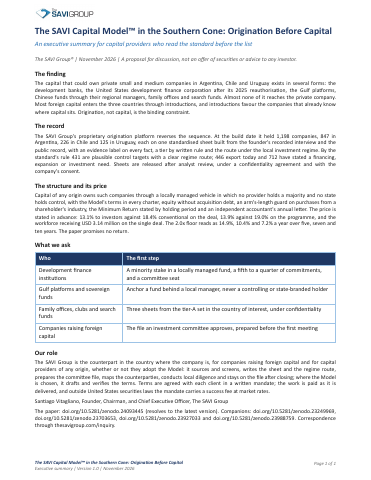
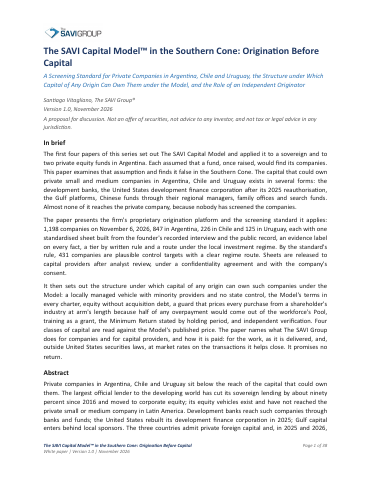
- The SAVI Group's proprietary origination platform held 1,198 companies (847 in Argentina, 226 in Chile, and 125 in Uruguay) at the build date, with 431 classified as Tier A plausible control targets.p.1
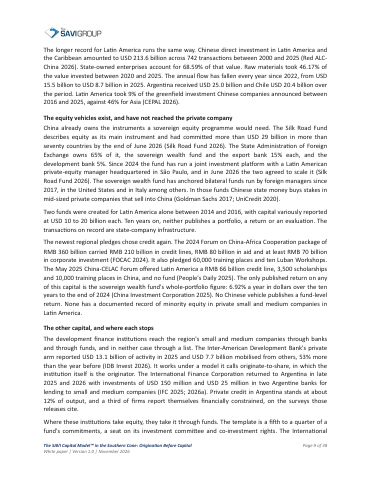
- The United States raised its development finance corporation's ceiling to $205 billion in December 2025 and signed a reciprocal trade agreement with Argentina in February 2026.p.6
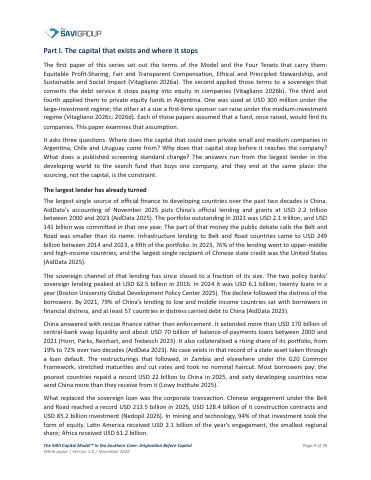
- China's official lending and grants reached $2.2 trillion between 2000 and 2023, while its sovereign lending dropped from $62.5 billion in 2016 to $6.1 billion in 2024.p.6
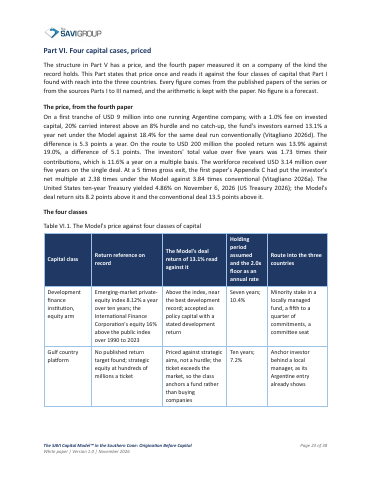
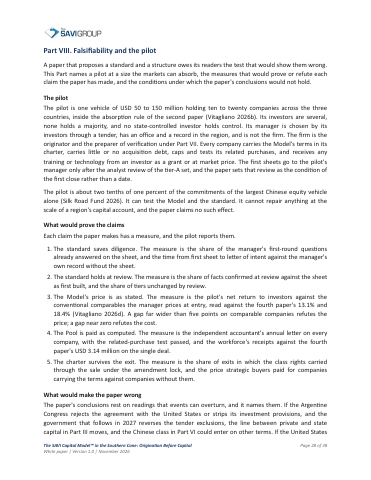
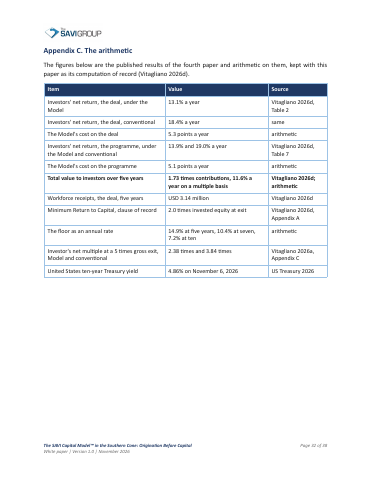
- The SAVI Capital Model delivers a net investor return of 13.1% on a deal level compared to 18.4% conventional, while providing $3.14 million to the workforce over five years.p.7
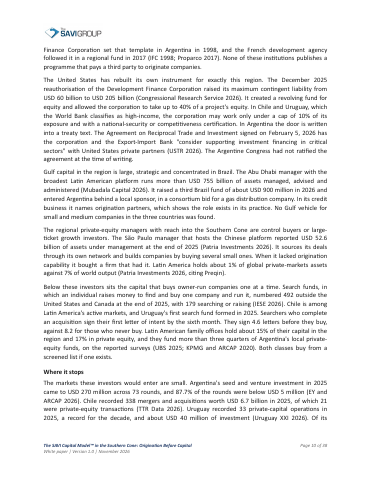
- Argentina's venture capital investment was $270 million in 2025, while Uruguay's government identified a structural financing gap for companies seeking $1 to 10 million.p.6
Key insights
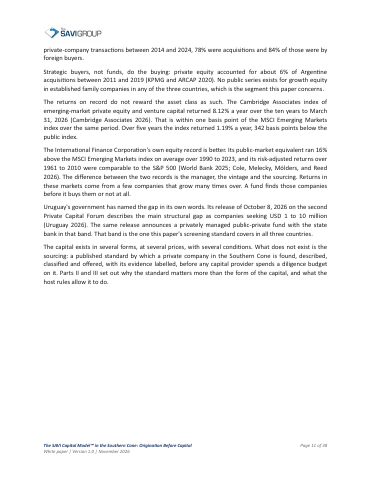
- Sourcing and origination, rather than the availability of capital, represent the primary binding constraint for private equity investment in the Southern Cone.p.1
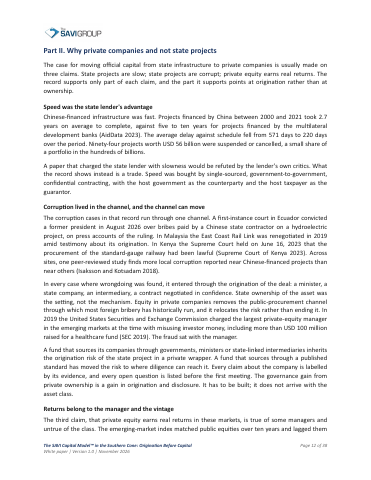
- Chinese-financed infrastructure projects completed in 2.7 years on average, showing that slowness was not the key drawback of state lender engagement.p.6
- Shifting foreign investment from state procurement to private corporate equity relocates origination corruption risks directly to private investment managers.p.6
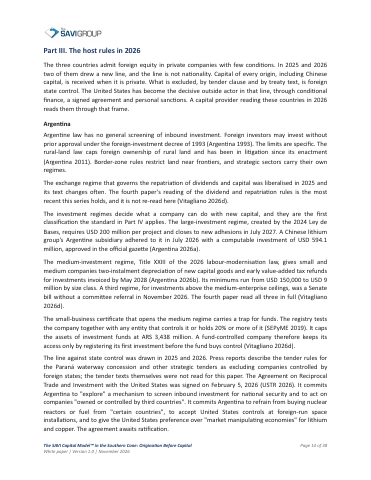
- Host countries in 2025 and 2026 shifted screening lines to differentiate strictly between private capital and foreign state-controlled entities.p.15
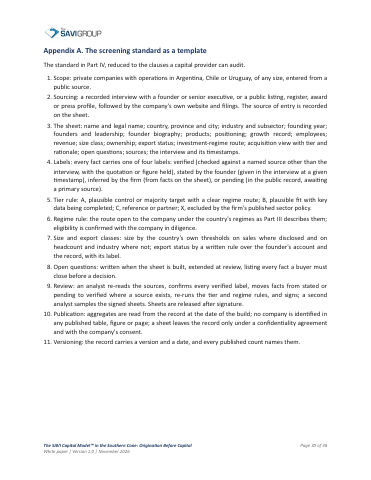
- Under Argentine small-business certification rules, investment fund asset caps require funds to register target investments before acquiring formal control.p.15
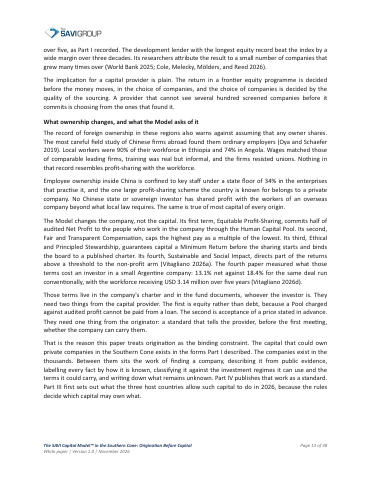
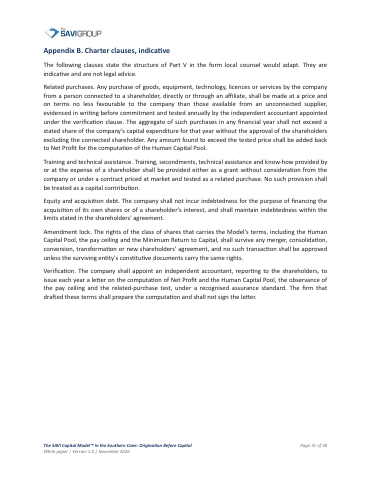
- The Model mandates equity-based funding without company-level acquisition debt because debt service impedes workforce profit sharing via the Human Capital Pool.p.22
- Contractual related-purchase guards prevent shareholder self-dealing by adding overpayments back to Net Profit, protecting the workforce profit pool.p.22
- Training and technical assistance cannot be contributed as corporate equity under Argentine law and must be structured as grants or arm's-length services.p.23
Pages
 p.1
 p.2
 p.3
 p.4
 p.5
 p.6
 p.7
 p.8
 p.9
 p.10
 p.11
 p.12
 p.13
 p.14
 p.15
 p.16
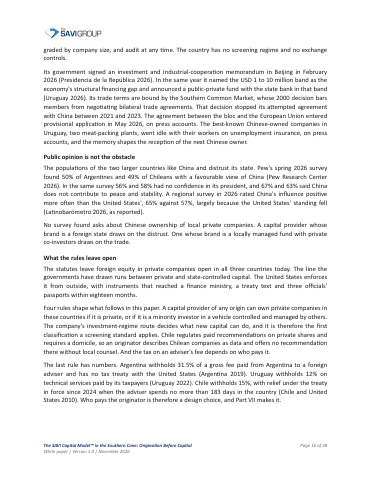 p.17
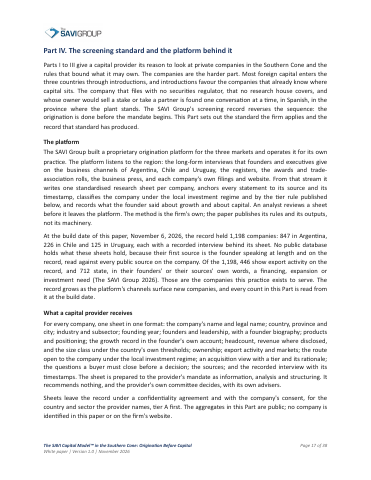 p.18
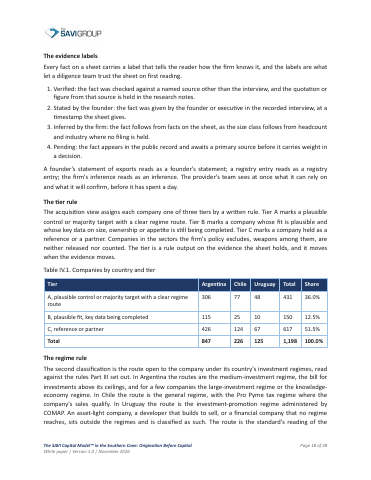 p.19
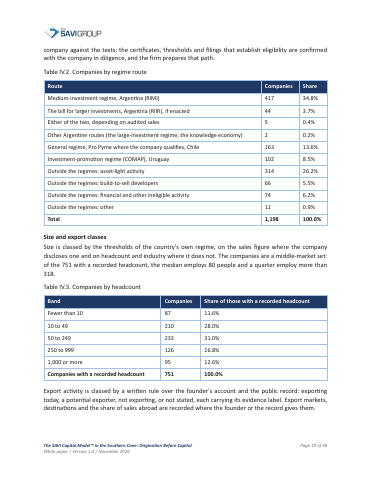 p.20
 p.21
 p.22
 p.23
 p.24
 p.25
 p.26
 p.27
 p.28
 p.29
 p.30
 p.31
 p.32
 p.33
 p.34
 p.35
 p.36
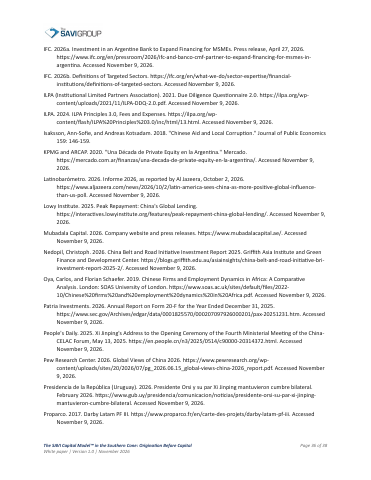 p.37
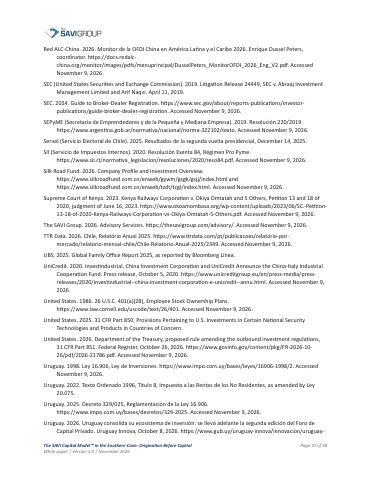 p.38
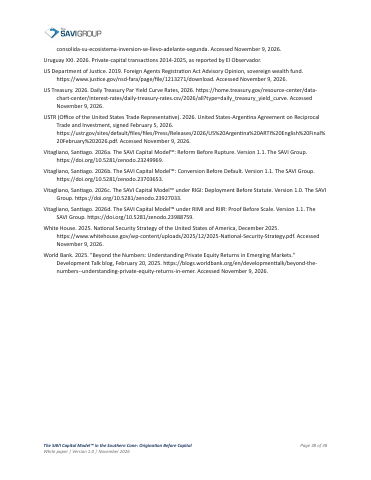 p.39
Funders mentioned
Topics and entities
GlobalPrivate equityPrivate marketsPublic funding and grantsRegulationSME finance and lendingStartup ecosystemsStartup fundingVenture capitalCentral Bank of the Argentine RepublicChina Investment CorporationInternational Finance CorporationMubadala CapitalOffice of the United States Trade RepresentativePatria InvestmentsSecurities and Exchange CommissionSilk Road FundThe SAVI GroupU.S. International Development Finance Corporation
Summary and figures generated from the document and checked automatically: every number shown appears on the cited page. Publishers can request removal.