Technological Innovation, Developmental Model and State Aid (Artefactum)
SaveSummary
- The essay examines the new season of European economic programming and the adherence of technology innovation policies to the developmental state perspective.p.1
- Innovation drives a flexibilisation of State aid rules through derogations and block exemptions.p.4
- The Horizon Europe fund supports the objective of 3% of GDP for research and development.p.6
- State aid compatibility requires an incentive effect: the aid must cause a change in the beneficiary's behaviour.p.8
- The RDI Framework, CEEAG, IPCEI Communication and CISAF distribute the compatibility assessment differently between the Commission's framework and the individual measure.p.10
- Germany's regional development banks and Brazil's BNDES are cited as examples of public financing of innovation.p.20
Key insights
- Public intervention in the economy is being rediscovered in a developmental key, with strong investment in research, development and innovation.p.2
- Aid must encourage investment that would not otherwise take place and keep effects on competition to a minimum.p.6
- Flexibilisation is a progressive differentiation of conditions by purpose, activity and investment, not a general admission of public support.p.6
- Proportionality ensures that aid does not exceed what is strictly necessary to produce the incentive effect.p.9
- Strategic or climate objectives do not remove the assessment of negative effects on competition and trade.p.9
- Critics of the developmental model point to the potential negative impact on public accounts and difficulty balancing intervention and competition.p.13
- Mission-oriented policies differ from plain business support because the public sector also directs technological development.p.17
- The author argues that China fits a distinct state-capitalism model rather than the classic developmental state.p.19
Pages
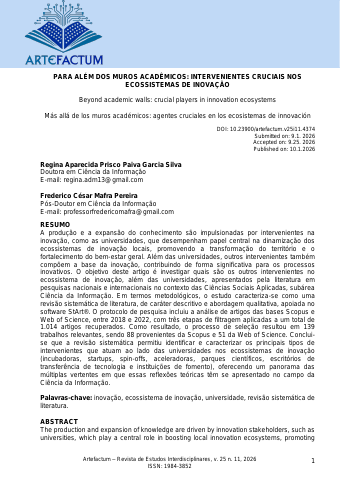 p.1
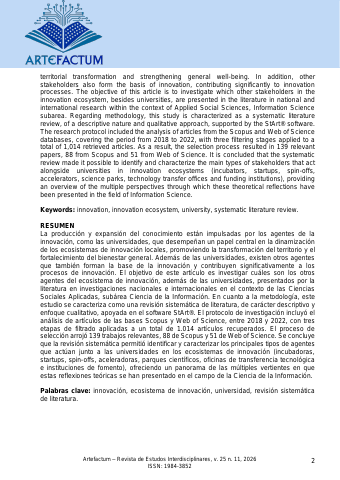 p.2
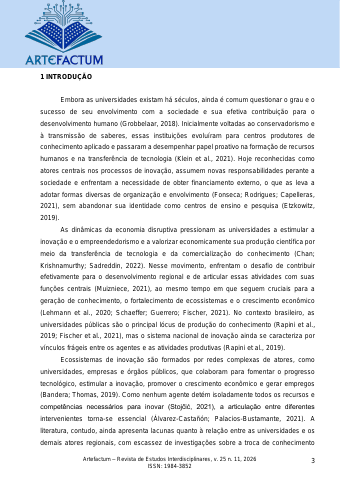 p.3
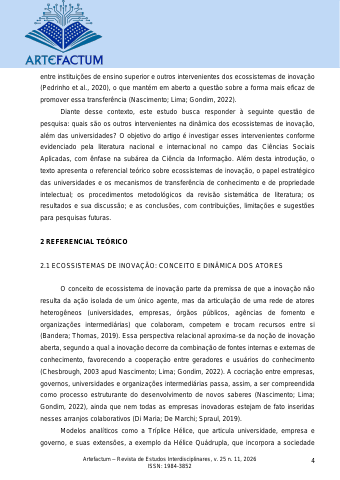 p.4
 p.5
 p.6
 p.7
 p.8
 p.9
 p.10
 p.11
 p.12
 p.13
 p.14
 p.15
 p.16
 p.17
 p.18
 p.19
 p.20
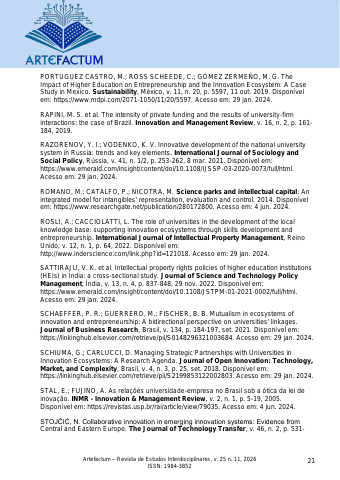 p.21
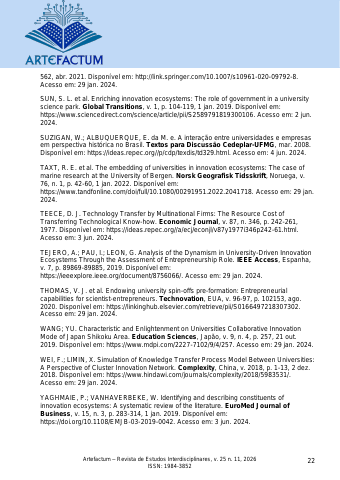 p.22
 p.23
Funders mentioned
Topics and entities
Summary and figures generated from the document and checked automatically: every number shown appears on the cited page. Publishers can request removal.