Market Informedness and Market-Maker Profitability: The Trade-Off Between Adverse Selection and Price Discovery (Research Square)
SaveSummary
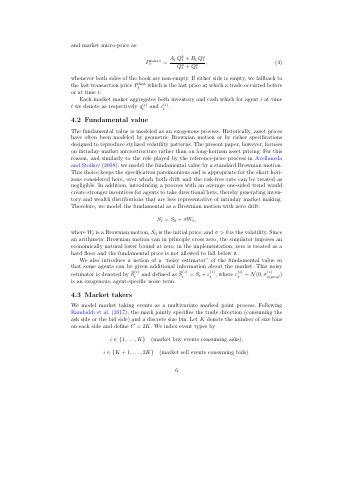
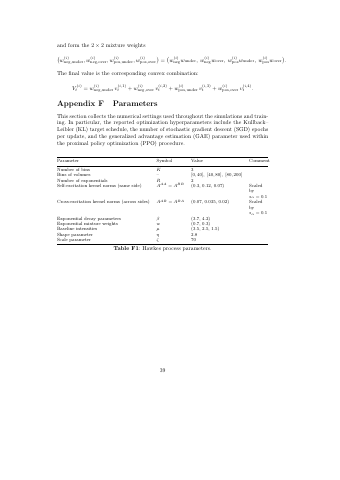
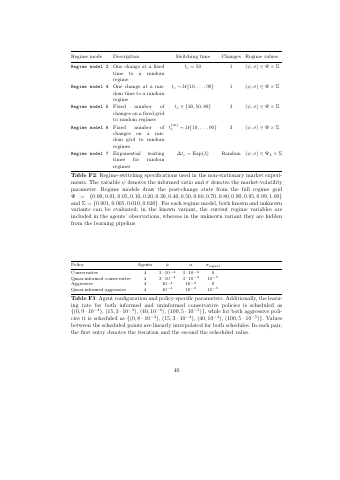
- Market-taker order arrivals are modeled using a multivariate marked Hawkes process modulated by spread sensitivity η = 2.8 and mispricing sensitivity ζ = 70.p.40
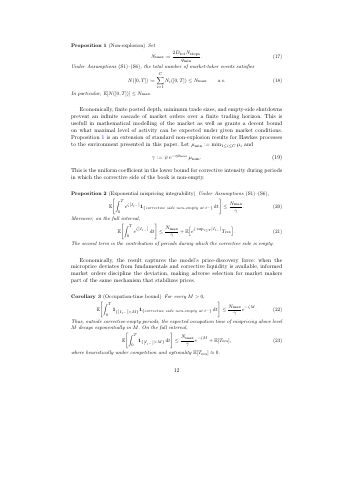
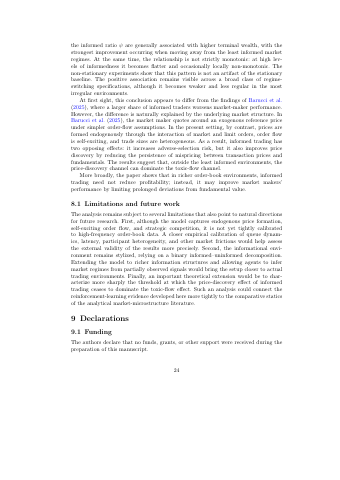
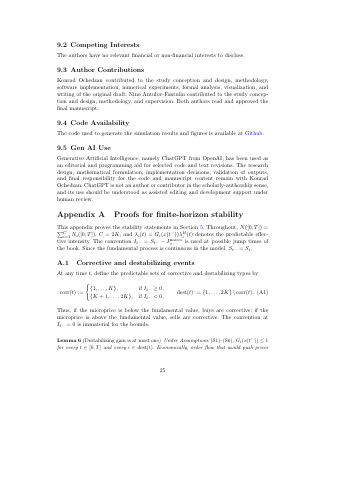
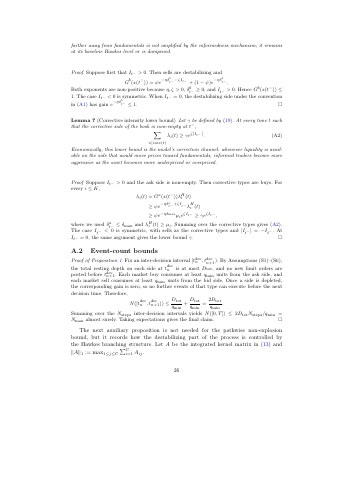
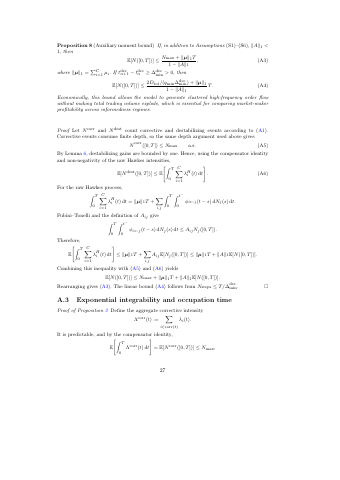
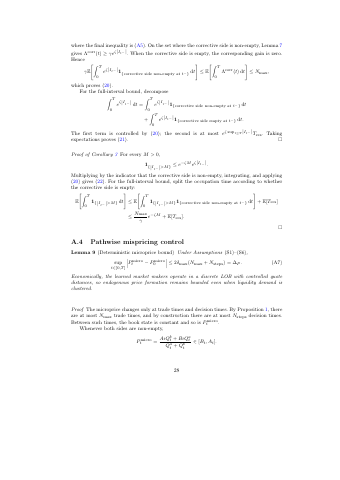
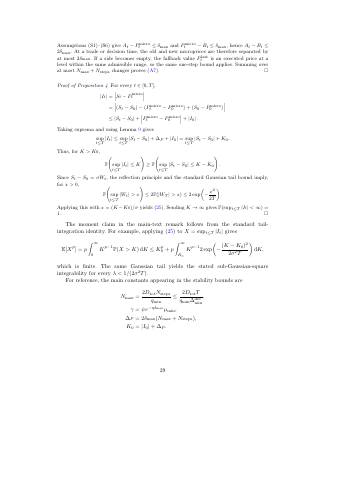
- Theoretical bounds guarantee that the total number of market-taker events is finite and bounded by Nmax = 2 * Dtot * Nsteps / qmin.p.12
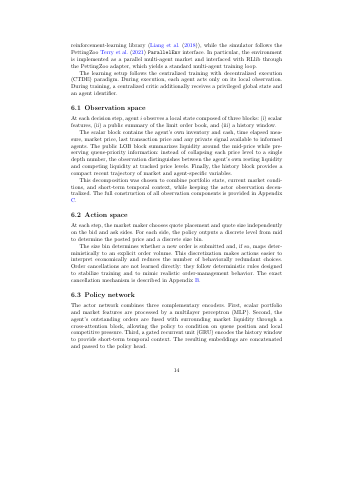
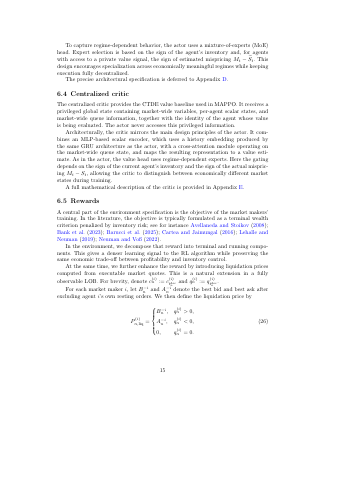
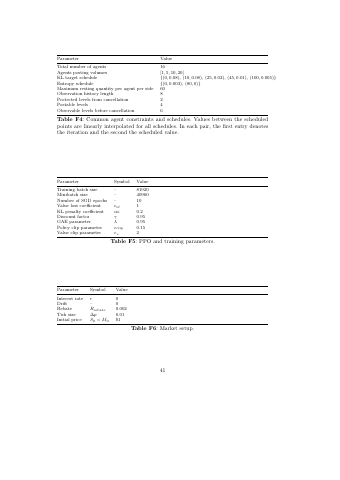
- Multi-agent reinforcement learning (MAPPO) experiments are conducted with 16 total agents across 100 decision steps over horizon T = 10.p.17
- Average posted spreads vary by policy style, with the Aggressive policy posting an average spread of 2.41 ticks and the Conservative policy posting 2.64 ticks.p.20
Key insights
- Informed market order flow causes severe adverse-selection risk and losses for market makers when aggregate market informedness is low.p.2
- As market informedness increases, market-maker profitability shows an overall upward trend because price-discovery benefits offset adverse-selection costs.p.2
- The computational limit order book provides stability guarantees because finite posted depth limits the maximum number of executed trades to Nmax.p.10
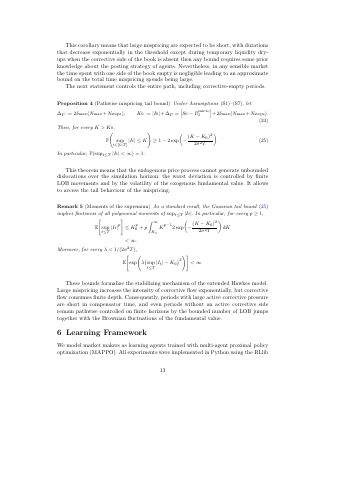
- Outside of periods when the corrective side of the book is empty, the expected occupation time of mispricing above level M decays exponentially in M.p.12
- The overall increase in market-maker profitability at higher informedness is driven by reduced structural mispricing rather than systematic changes in quoting width.p.20
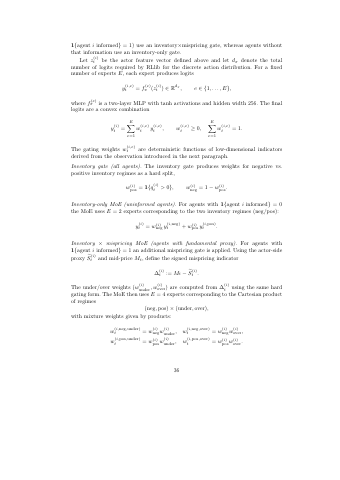
- Quasi-informed market makers learn to unbalance posted ask and bid volumes depending on whether the market is overpriced or underpriced relative to fundamental signals.p.21
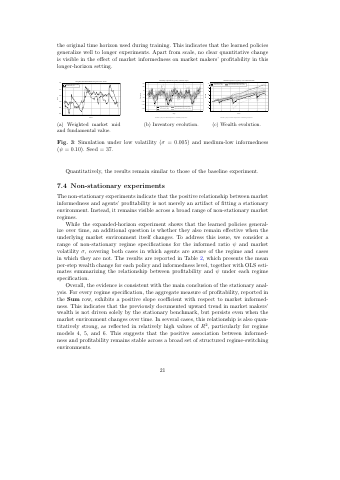
- Trained reinforcement learning quoting policies demonstrate generalization when tested on longer horizons of 600 decision steps.p.21
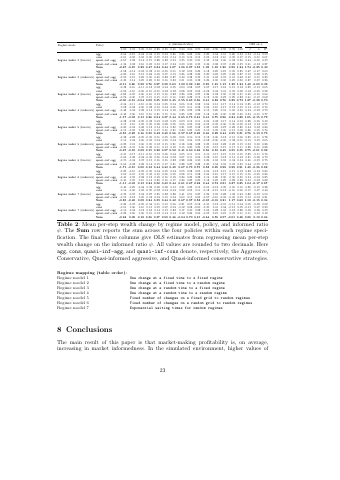
- The positive relationship between market informedness and market-maker profitability remains robust across various non-stationary regime-switching settings.p.22
Pages
 p.1
 p.2
 p.3
 p.4
 p.5
 p.6
 p.7
 p.8
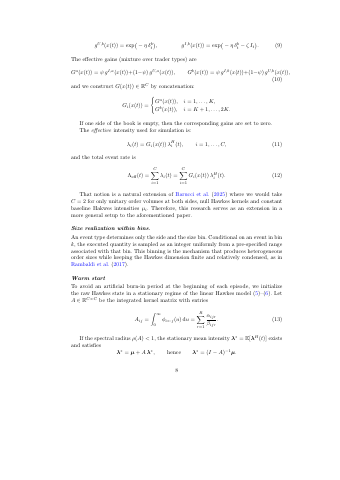 p.9
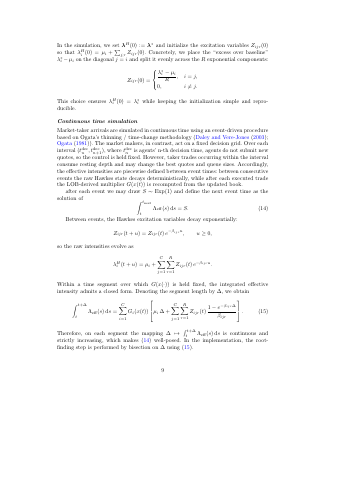 p.10
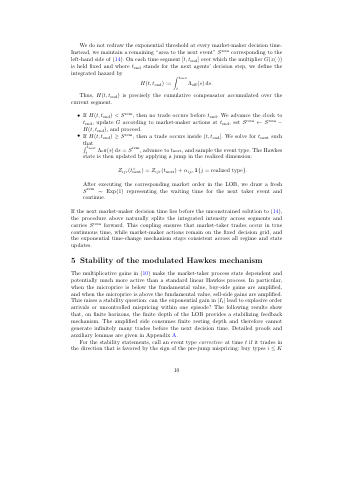 p.11
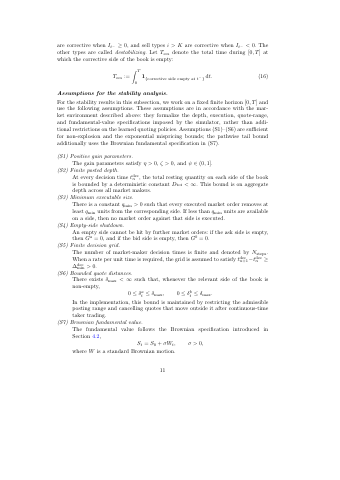 p.12
 p.13
 p.14
 p.15
 p.16
 p.17
 p.18
 p.19
 p.20
 p.21
 p.22
 p.23
 p.24
 p.25
 p.26
 p.27
 p.28
 p.29
 p.30
 p.31
 p.32
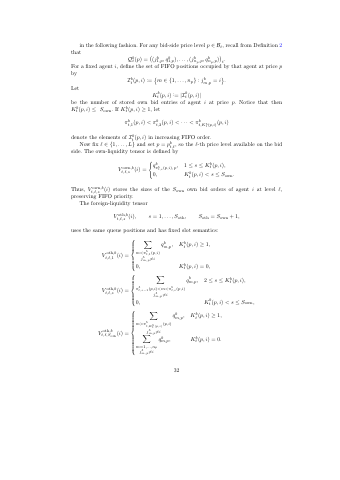 p.33
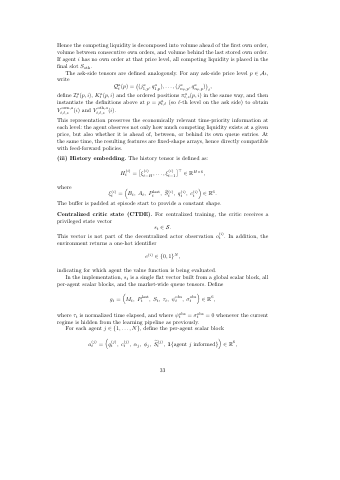 p.34
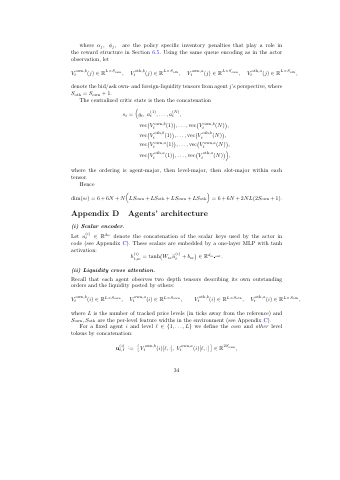 p.35
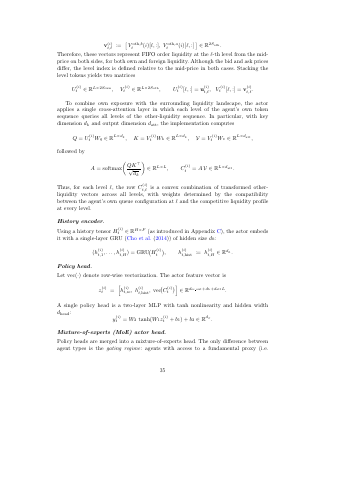 p.36
 p.37
 p.38
 p.39
 p.40
 p.41
 p.42
 p.43
 p.44
 p.45
 p.46
 p.47
 p.48
Funders mentioned
Topics and entities
Summary and figures generated from the document and checked automatically: every number shown appears on the cited page. Publishers can request removal.