Financial Intermediation 3.0: Reconfiguring Transaction Costs in the Age of Tokenization (Análise Econômica)
SaveKey number
97%
Reported maximum reduction in securitisation costs via tokenisation (vendor claim) p.15
What changed
60%
Increase in regulatory compliance operating costs for retail and corporate banks since the 2008 crisis (more than) p.10
Summary
- BlockTower/Centrifuge reported a reduction of up to 97% in securitisation costs through tokenisation, a vendor estimate that is not peer reviewed.p.15
- Ekberg et al. estimate that multi-CBDC networks with automatic compliance validation could save up to $100 billion per year in bank fees.p.16
- According to a Payment Card Industry Council survey, 73% of banks reported fewer card-not-present frauds after adopting tokenisation.p.20
- Compliance operating costs are estimated to have risen by more than 60% for retail and corporate banks since the 2008 crisis.p.10
- In a survey of 50 DAOs, average voting participation was only 1.77% of token holders, with a median of 0.10%.p.24
- Anbima's DLT pilot selected 20 of 39 proposals, involving more than 50 institutions.p.22
Key insights
- Tokenisation does not eliminate transaction costs but redistributes them, shifting measurement, monitoring and enforcement costs from ex-post to ex-ante.p.23
- Goldman Sachs reported a saving of 15 basis points on a €100 million digital bond issued on its GS DAP platform.p.16
- J.P. Morgan's Onyx Digital Assets projects a $20 million reduction in operating costs for repo operations.p.16
- Remittance costs have historically exceeded 5% or 8% of the amount transferred, a gap digital payment providers such as Wise narrowed.p.13
- Zoniqx projects cost reductions of 35% and 65% versus traditional securitisation, and up to 85% in middle and back-office functions.p.15
- In Brazil, only 7.92% of Uniswap token holders took part in at least one vote during the period analysed.p.24
- Cost gains from tokenisation depend on institutional context, including regulatory clarity and enforcement mechanisms.p.17
- Secondary market liquidity remains a relevant obstacle in Brazil, so lower issuance costs do not automatically bring equivalent liquidity gains.p.23
Pages
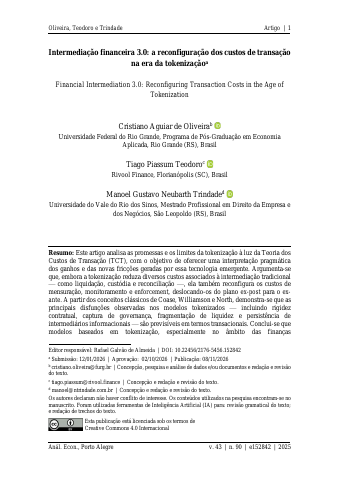 p.1
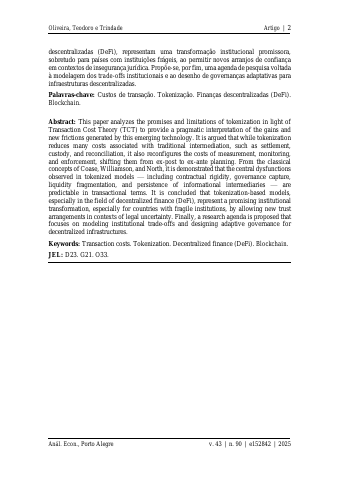 p.2
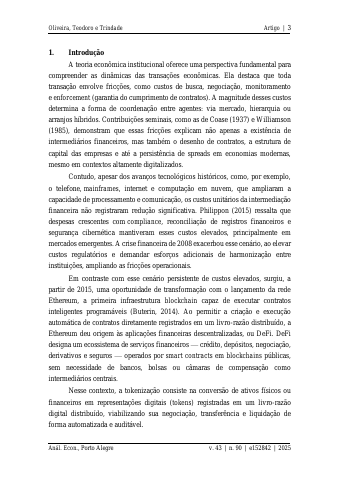 p.3
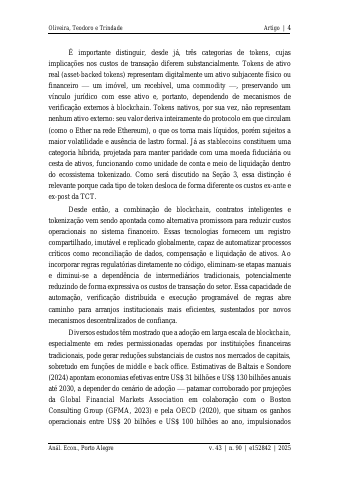 p.4
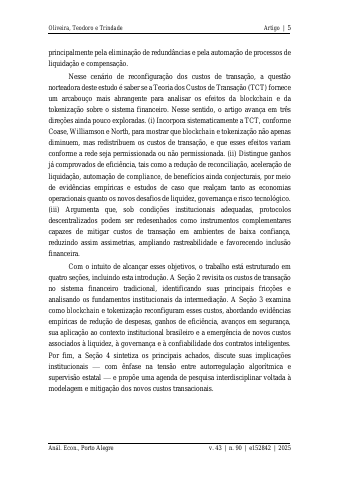 p.5
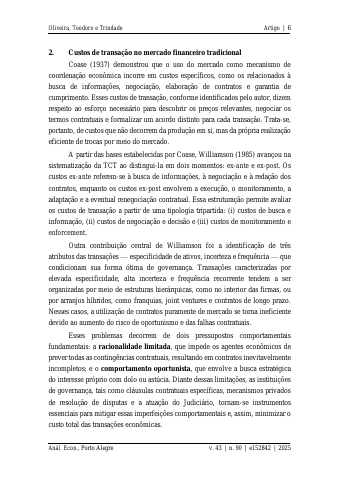 p.6
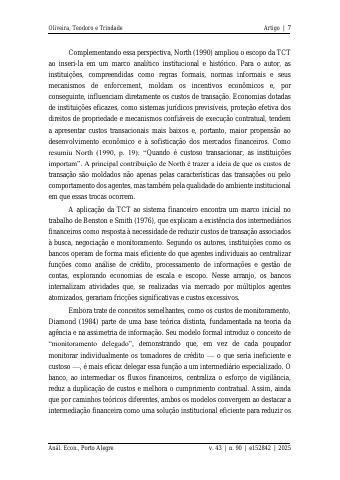 p.7
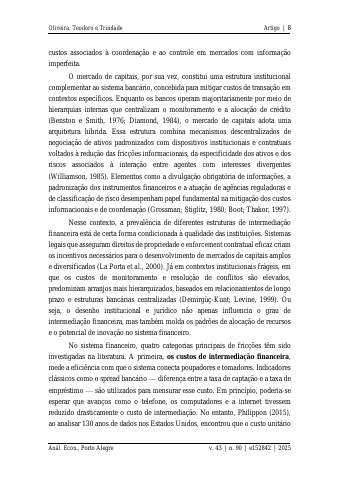 p.8
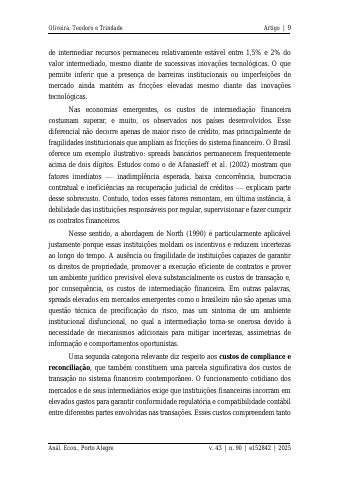 p.9
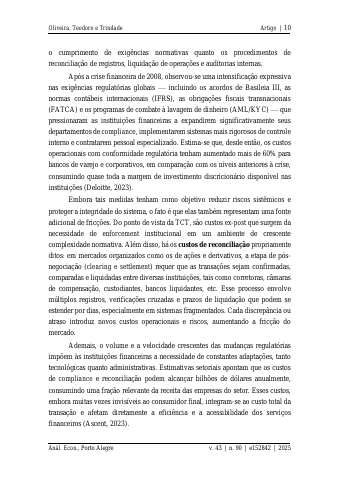 p.10
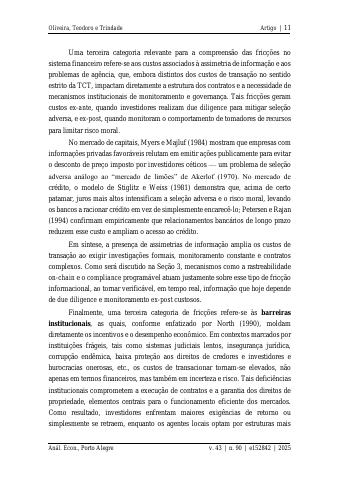 p.11
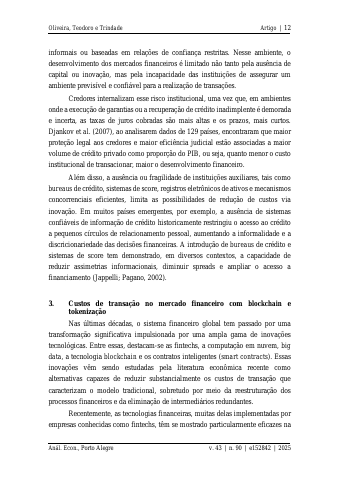 p.12
 p.13
 p.14
 p.15
 p.16
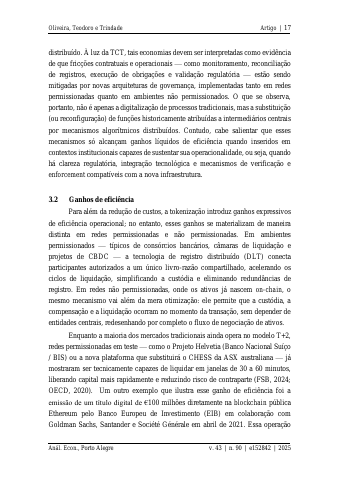 p.17
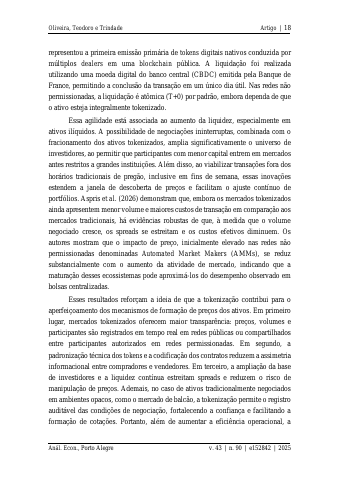 p.18
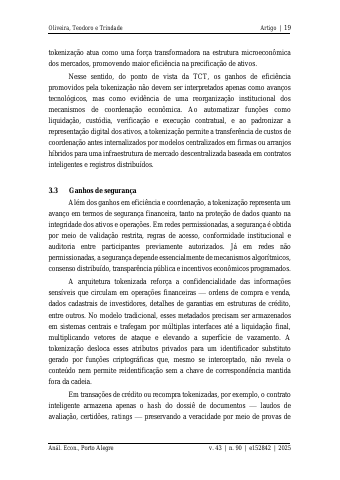 p.19
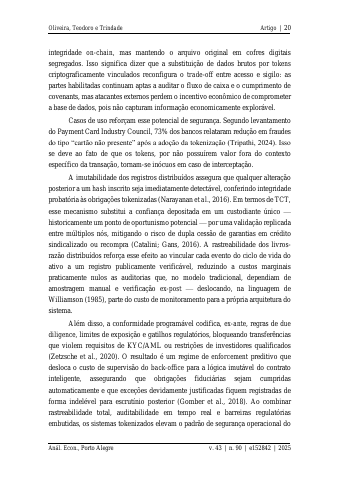 p.20
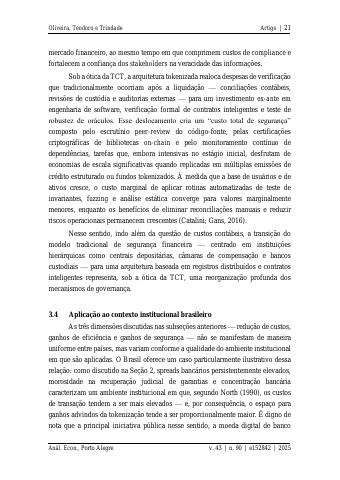 p.21
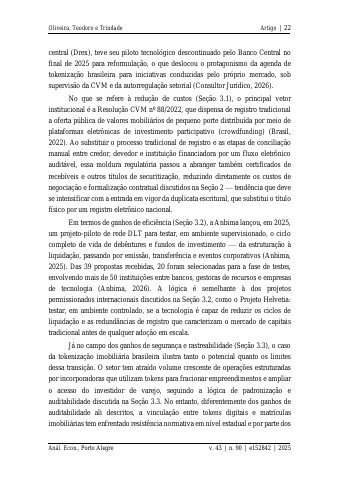 p.22
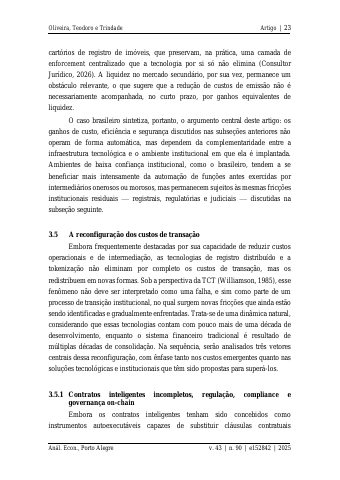 p.23
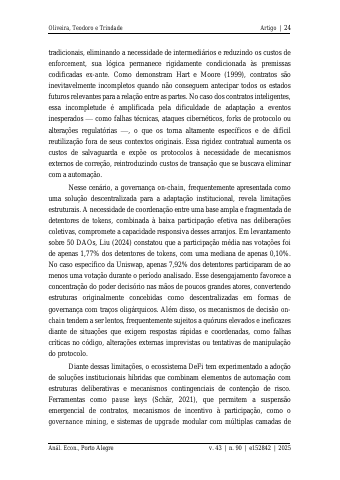 p.24
 p.25
 p.26
 p.27
 p.28
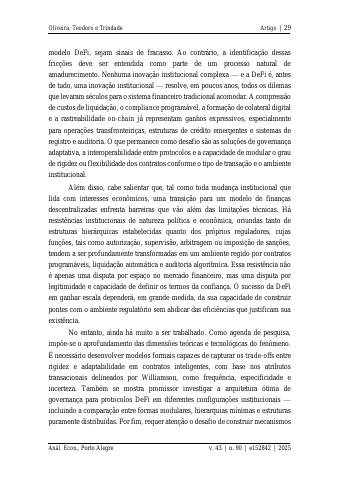 p.29
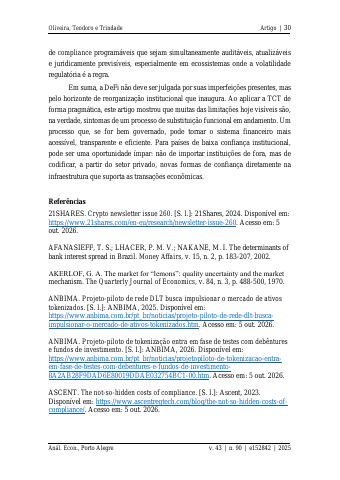 p.30
 p.31
 p.32
 p.33
 p.34
 p.35
Funders mentioned
Topics and entities
Summary and figures generated from the document and checked automatically: every number shown appears on the cited page. Publishers can request removal.