Crowdfunding Between Permissibility and Prohibition: A Comparative Jurisprudential Study (مجلة ابحاث (abhath Journal))
SaveSummary
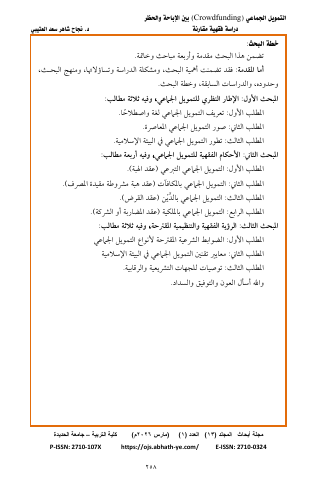
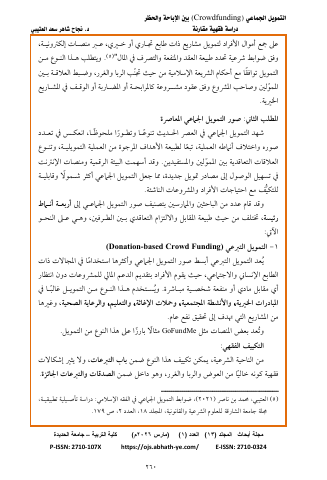
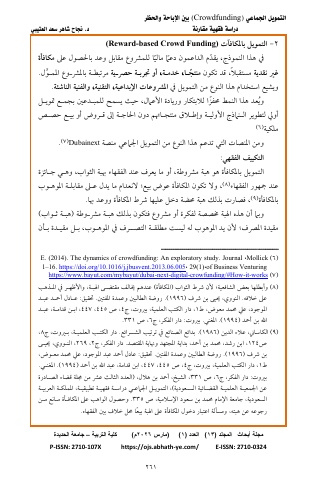
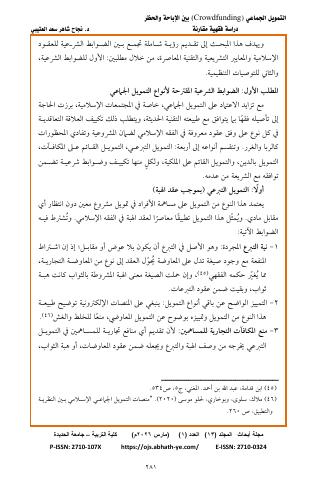
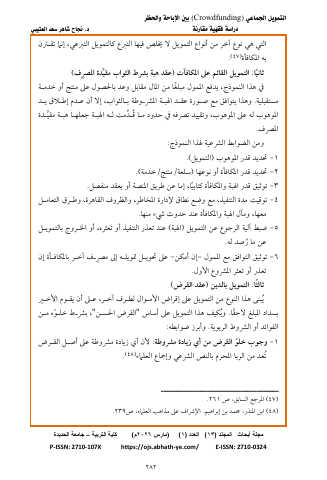
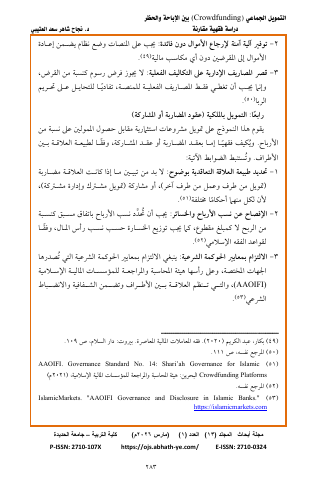
- The study classifies contemporary crowdfunding into four main types: donation-based, reward-based, lending-based and equity-based.p.7
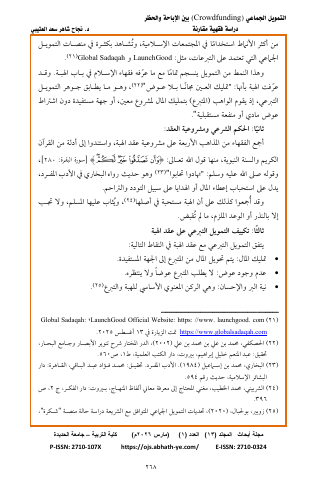
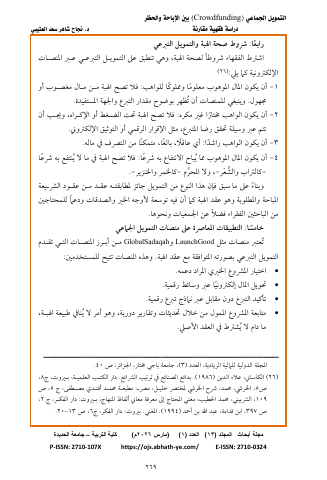
- Reward-based crowdfunding is treated as a conditional gift permitted by the majority of jurists.p.8
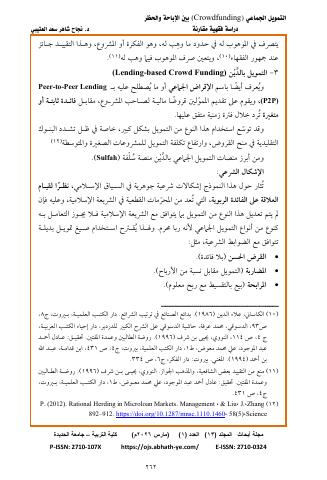
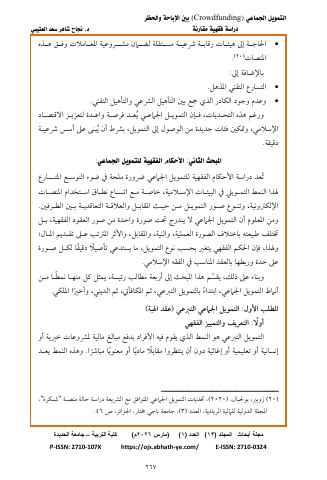
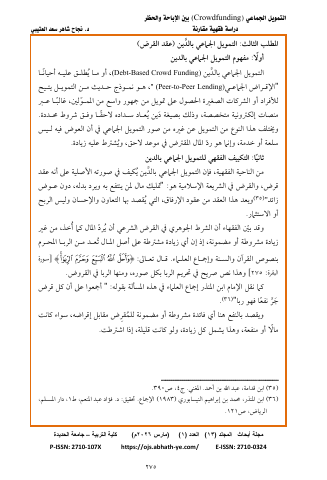
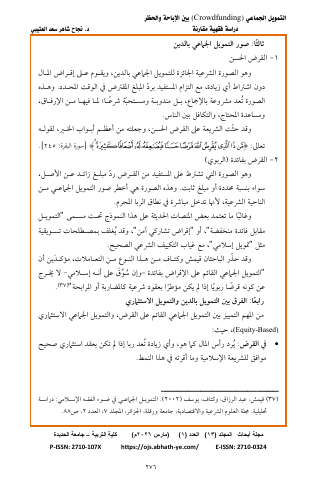
- Lending-based crowdfunding involves interest, which is prohibited, so alternatives such as qard hasan, mudaraba and murabaha are proposed.p.9
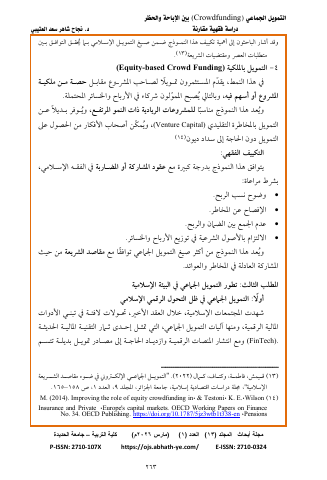
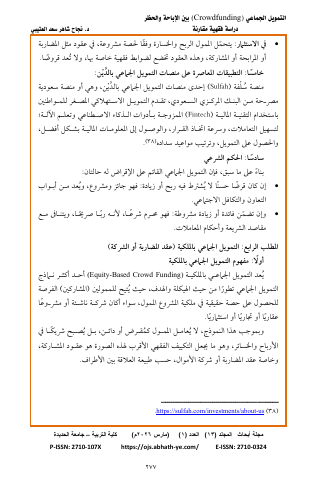
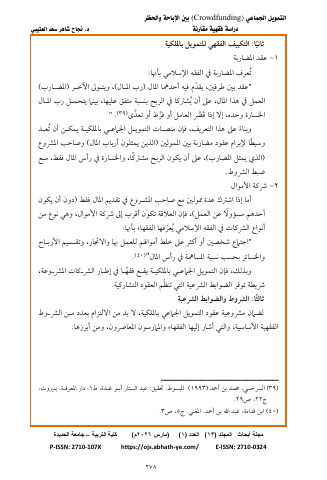
- Equity-based crowdfunding largely corresponds to musharaka or mudaraba contracts, provided profit shares are clear and risks are disclosed.p.10
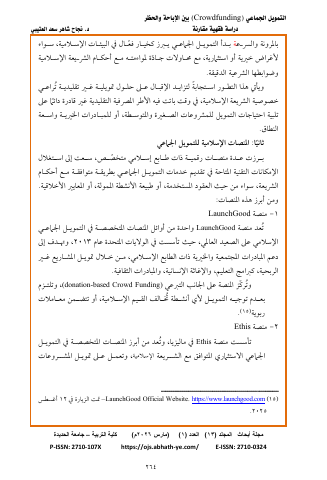
- LaunchGood, a platform focused on donation-based Islamic crowdfunding, was founded in the United States in 2013.p.11
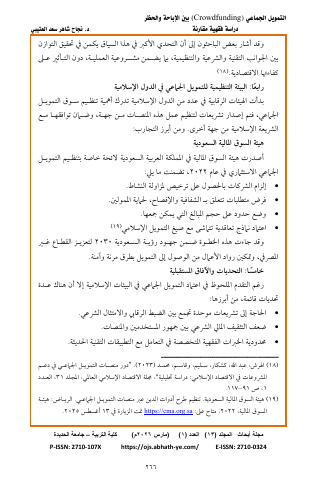
- The Saudi Capital Market Authority issued a regulation on investment crowdfunding in 2022.p.13
Key insights
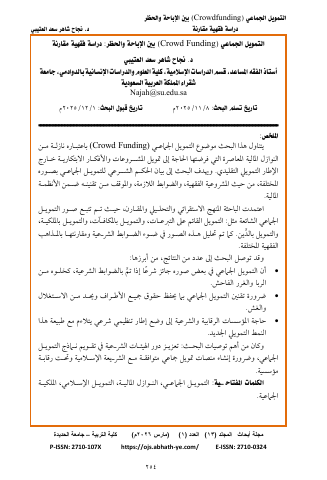
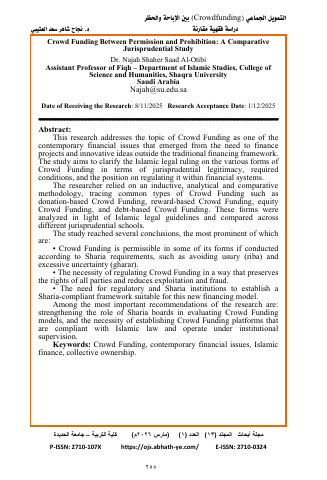
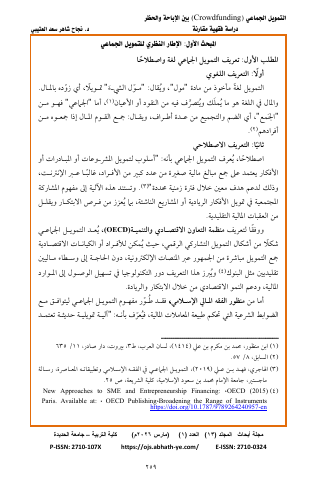
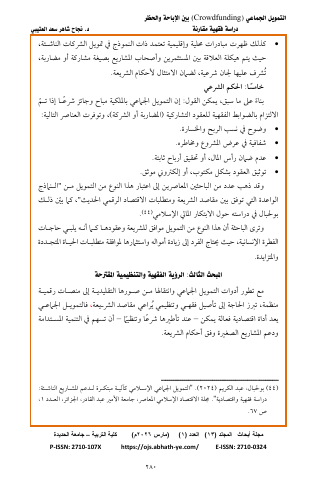
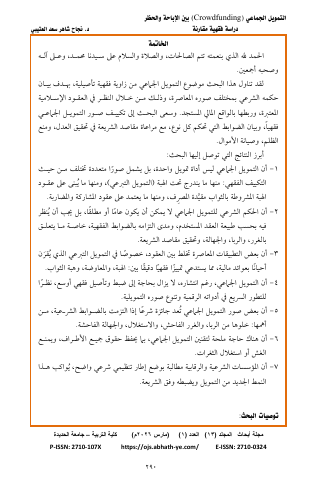
- Crowdfunding is permissible in some of its forms if Sharia requirements are met, such as avoiding usury (riba) and excessive uncertainty (gharar).p.2
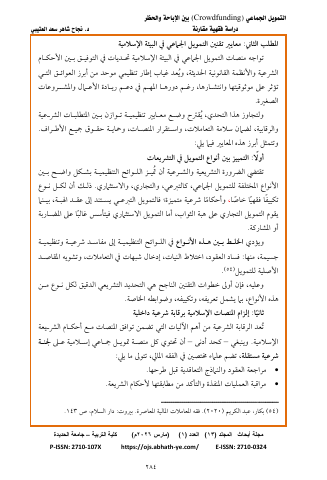
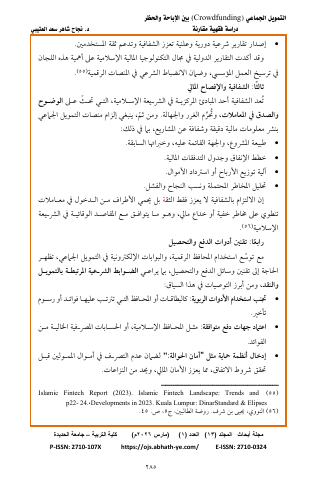
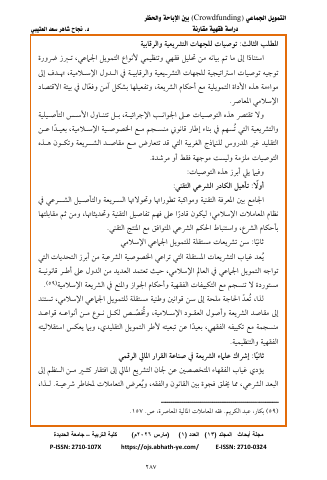
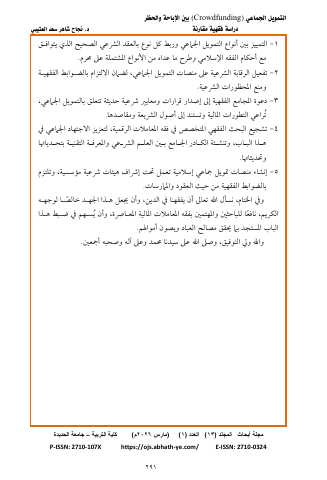
- The study calls for regulating crowdfunding to preserve the rights of all parties and reduce exploitation and fraud.p.2
- Donation-based crowdfunding is classified as a gift contract and raises no jurisprudential problems.p.7
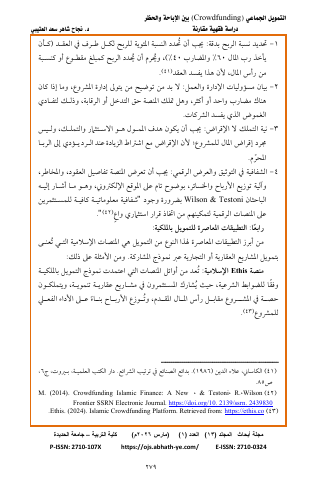
- Equity-based crowdfunding is described as among the forms most consistent with the objectives of Sharia because of fair sharing of risks and returns.p.10
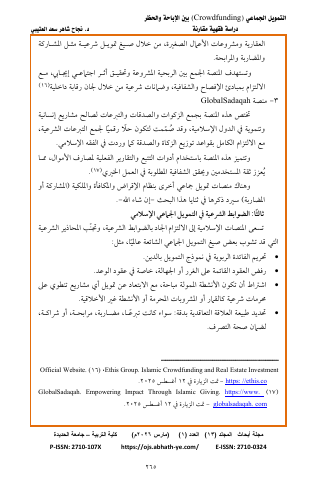
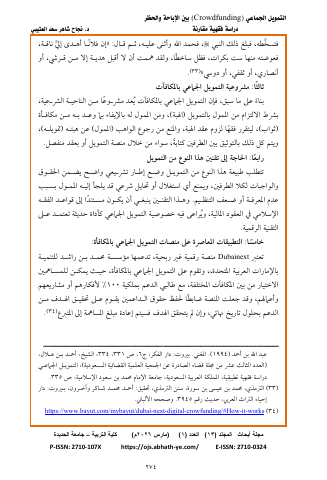
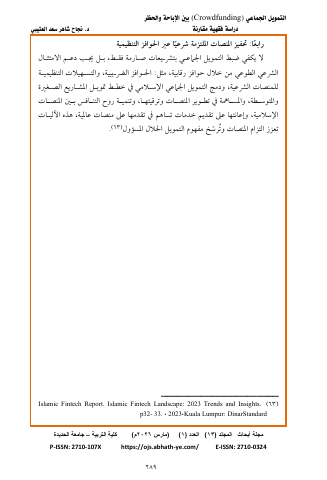
- Islamic platforms exclude financing of activities such as gambling or prohibited drinks.p.12
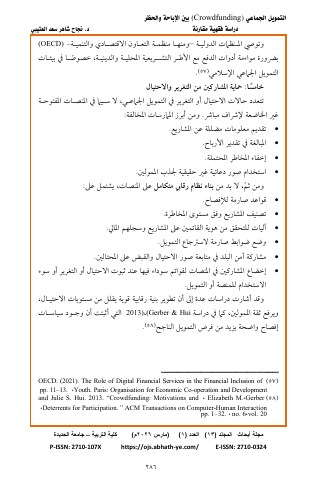
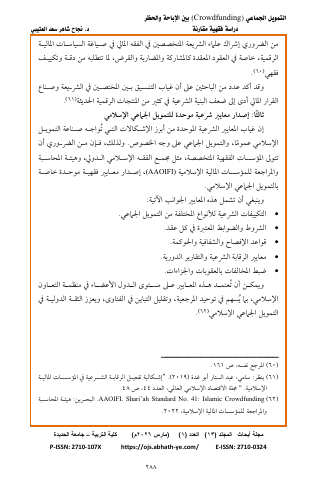
- Key challenges include a lack of unified legislation, weak Sharia financial literacy and limited specialised jurisprudential expertise.p.13
Pages
 p.1
 p.2
 p.3
 p.4
 p.5
 p.6
 p.7
 p.8
 p.9
 p.10
 p.11
 p.12
 p.13
 p.14
 p.15
 p.16
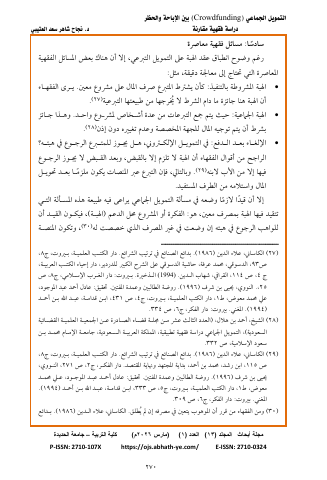 p.17
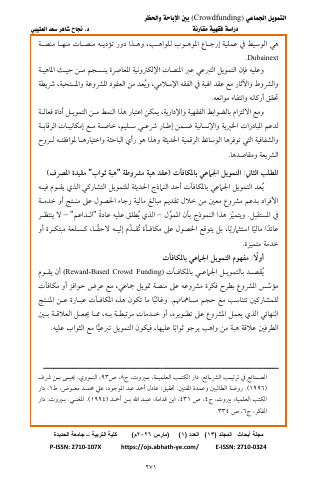 p.18
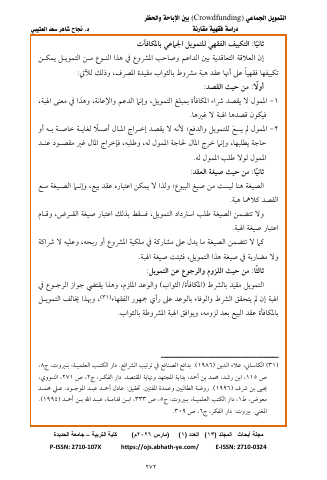 p.19
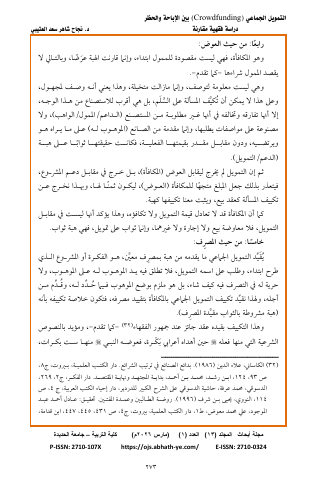 p.20
 p.21
 p.22
 p.23
 p.24
 p.25
 p.26
 p.27
 p.28
 p.29
 p.30
 p.31
 p.32
 p.33
 p.34
 p.35
 p.36
 p.37
 p.38
 p.39
 p.40
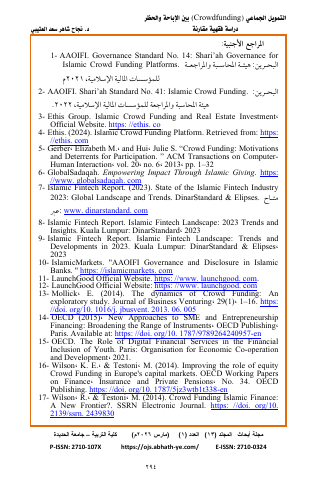 p.41
 p.42
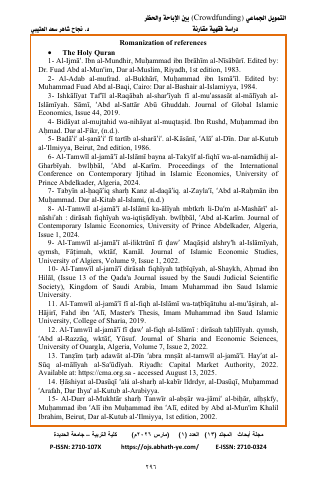 p.43
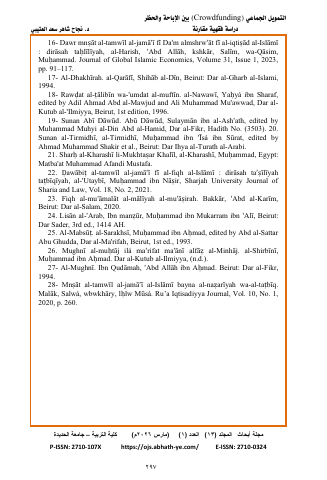 p.44
Topics and entities
Summary and figures generated from the document and checked automatically: every number shown appears on the cited page. Publishers can request removal.