State of the Cyber Nation 2025
Israeli cybersecurity total funding reached $5.1 billion across 136 rounds in 2025.
56 documents
Israeli cybersecurity total funding reached $5.1 billion across 136 rounds in 2025.
In Q2 2025, VC firms deployed $69.9 billion across an estimated 4,001 deals, marking a 24.8% QoQ decline in total deal value.
The study evaluates 905 higher education institutions across 35 European countries with a combined annual budget of nearly €250 billion creating over 14.000 startups annually.
The Nasdaq Composite Index grew 38% over the last twelve months, adding $8.4 trillion in market capitalisation.
The EIF VC Survey 2024 gathered anonymised responses from 398 VC fund managers operating in Europe.
If European universities reached benchmark efficiency, Europe could generate almost 16,000 additional startups in 1 year and 150K+ additional startups over 10 years.
Private equity portfolio companies directly and indirectly employ approximately 250 000 people, representing 4.8% of total employment in Sweden.
Europe's tech workforce reached 3.5M employees in 2024, expanding at a 24% compounded annual growth rate since 2015.
In 2021, U.S. venture capital firms invested a record $348 billion before overall investment activity declined.
DCVC manages over $3 billion in committed capital across 12 funds targeting deep tech opportunities.
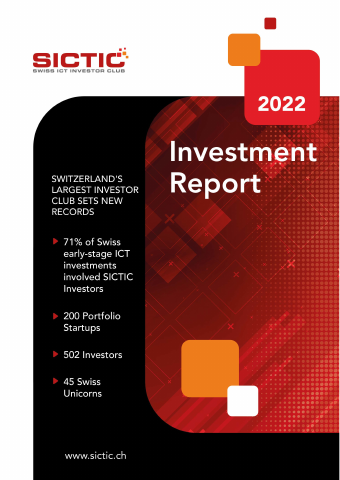
SICTIC facilitated 110 funding rounds in 2021, accounting for 71% of all early-stage ICT investments in Switzerland.
Participating federal agencies obligated $4.12 billion in SBIR funding and $618.3 million in STTR funding, totaling $4.73 billion in FY22.
The 2018/2019 academic year was a record year for spinout exits from UK universities, with sales of spinout company shares totalling more than £61 million, an increase of 37% from 2017/2018.
Participating agencies obligated $3.53 billion of SBIR funding and $460.6 million of STTR funding for a total of $3.99 billion in FY20.
In Fiscal Year 2019, participating federal agencies obligated $3.29 billion of SBIR funding and $429.3 million of STTR funding across 11 participating agencies.
Participating federal agencies obligated $2.78 billion in SBIR funding and $382.4 million in STTR funding during Fiscal Year 2018.
The pilot evaluation analyzed 690 NCI SBIR/STTR Phase II grant awards made between 1998 and 2010.
In Fiscal Year 2017, the SBIR and STTR programs' eleven participating agencies obligated more than $3.04 billion through Phase I and II awards.
The programs produced $57.3 million in total annual fiscal impact across federal, state, and local taxes.
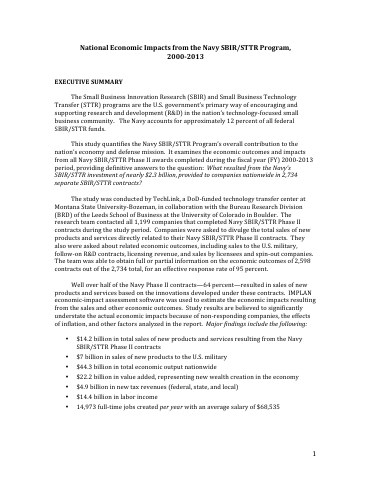
The Navy SBIR/STTR Phase II program provided nearly $2.3 billion in funding across 2,734 contracts to 1,199 small businesses between FY 2000 and 2013.
In 2016, SBA and the 11 SBIR/STTR participating agencies provided over $2.66 billion of non-dilutive funding to entrepreneurs.
Participating Agencies made a total of 4,324 new SBIR awards in FY15, totaling $1,477,412,435 in Phase I and Phase II new award obligations.
Participating agencies with extramural R/R&D budgets exceeding $100 million were required to set aside 2.8% of their FY14 extramural budget for SBIR awards.
Lukas André authored an empirical study titled Valuation and Selection of High-Tech Startups by Venture Capital Firms and Business Angels [p.1].
London has an AI supplier base of 758 companies, 645 of which are headquartered in the capital.
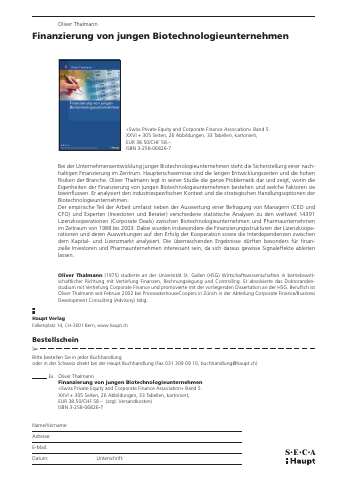
The study by Oliver Thalmann examines the challenges and financing options for young biotechnology companies across 305 pages.