Monetary Scoreboard Dublin
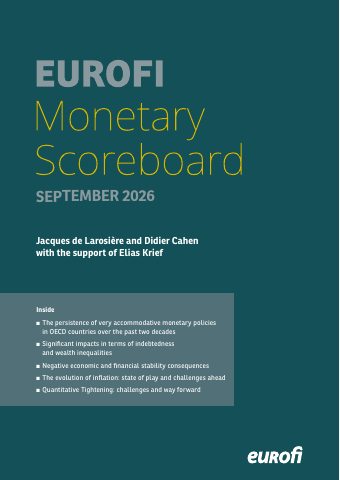
The aggregate monetary base of OECD countries increased from $2.5 trillion in 2000 to a peak of $25 trillion in March 2022.
Central bank · SW · 10 documents
The aggregate monetary base of OECD countries increased from $2.5 trillion in 2000 to a peak of $25 trillion in March 2022.
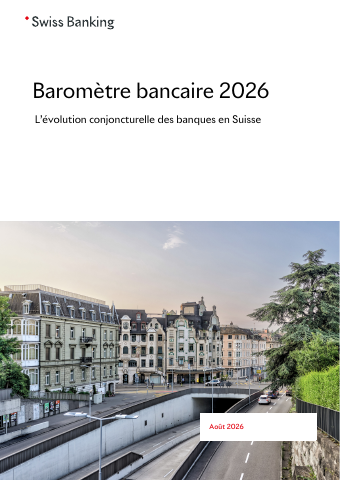
In 2025, real growth of the Swiss economy reached 1.5%, remaining below its multi-year average.
Geopolitical risk acts as a key driver of traditional and emerging risks, featuring in over 50% of the topics discussed in the report.
In 2024, the Swiss financial sector directly generated a gross value added of CHF 73.2 Mrd. and supported 245’800 jobs (FTE).
The note categorizes single-ledger arrangements into 4 operating models: integration, distribution, separation, and permissionless.
In 2024, Swiss real gross domestic product (GDP) growth slowed to 1,0 %, while the State Secretariat for Economic Affairs (SECO) forecasts a slight recovery to 1,3 % for 2025.
reached 483 companies by the close of 2023, reflecting a yearly growth of eleven percent, while Liechtenstein hosted 22 FinTech companies.
European private equity deal activity reached more than EUR 754 billion in 2021, moving well above trend growth.
E-money and i-money represent new forms of digital money competing directly with traditional cash and bank deposits.
Switzerland's financial sector employs over 200,000 people and generates nearly ten per cent of the country's gross domestic product.